7 Foods for Cold and Flu You Should Prioritize
Contents
Getting sick with a cold or flu can feel like hitting pause on everything. For young adults balancing work, social life, and screen time, even a few days of congestion can throw your rhythm off. That’s why what you eat and how you take care of yourself matters.
In this guide, you’ll discover seven foods that can help your immune system stay strong during cold and flu season, plus habits that actually fit modern life. No miracle cures here, just practical, science-backed nutrition and lifestyle choices.

Why Diet Still Matters in a Fast-Paced Life
We live on convenience foods, caffeine, and late nights. All that stress and lack of sleep chip away at immune function. According to the Mayo Clinic, a diet rich in fruits, vegetables, and whole grains helps maintain immune strength — even though no single food can prevent infection.
When you do catch a cold or the flu, you want your body in fighting form. Nutrition, hydration, sleep, and stress management all play a role. Here’s how to fortify yourself with foods that help your immune system do its job.
The Top 7 Foods for Cold and Flu
1. Fruits & Fruit Juices (Citrus, Kiwi, Guava)
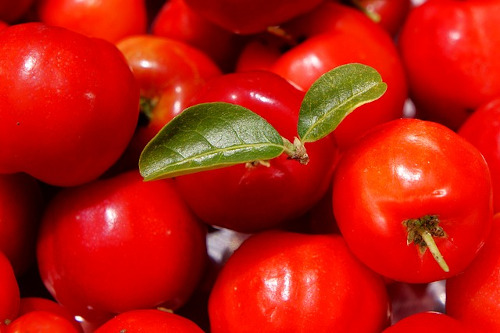
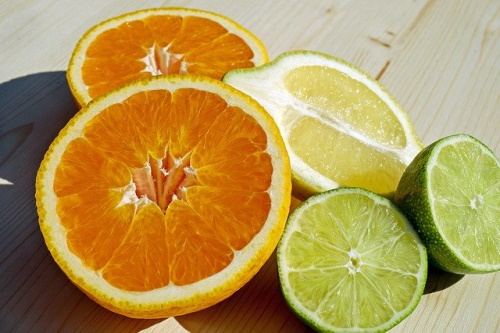
Fruits are your go-to during cold and flu season. They’re rich in vitamin C, minerals, antioxidants, and fiber, all of which support your body’s immune defenses. One review from the Mayo Clinic Health System notes that vitamin C-rich foods enhance antibody formation and white blood cell movement.
Examples: oranges, grapefruit, kiwi, guava, berries.
How to use them: Start your day with a fruit smoothie, or snack on berries between meals.
2. Vegetables (Colorful, Raw, or Lightly Cooked)
Vegetables bring antioxidants, beta-carotene (provitamin A), and vitamin C, which are all essential for tissue repair and immune balance. The Mayo Clinic emphasizes that a plant-rich diet supports overall immune health.
Examples: carrots, bell peppers, spinach, broccoli, sweet potatoes.
How to use them: Roast a tray of mixed veggies, add greens to smoothies, or make veggie-packed soups.
3. Garlic (and Other Allium Veggies)
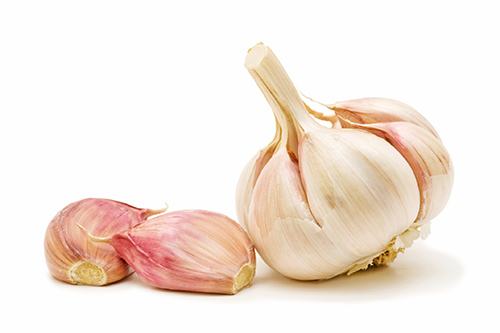
Garlic has a mild antiviral and antimicrobial reputation, thanks to its sulfur compounds. Studies show it can stimulate immune cells and may help reduce symptom duration during viral infections.
Why it matters: Garlic can help the body fight respiratory complications, like bronchitis, that sometimes follow the flu.
How to use it: Add crushed garlic to soups, stir-fries, or roasted vegetables for both flavor and benefit.
| Preview | Product | Rating | |
|---|---|---|---|

|
Global Healing Center – Selenium 200mcg, Selenium Supplement Drops with Organic Ingredients,… | Check Price |
4. Zinc-Rich Foods
Zinc helps immune cells grow and function. The Mayo Clinic Health System identifies zinc as essential for maintaining immune balance.
Good sources: pumpkin seeds, nuts, oats, sesame seeds, whole grains, beans.
How to use them: Sprinkle pumpkin seeds on salads or oatmeal; include beans in soups or burrito bowls.
| Preview | Product | Rating | |
|---|---|---|---|

|
Bronson Vitamin A 10,000 IU Premium Non-GMO Formula Supports Healthy Vision & Immune System and… | Check Price |
| Preview | Product | Rating | |
|---|---|---|---|

|
Carlyle Vitamin C 1000mg | 300 Vegetarian Caplets | Ascorbic Acid with Wild Rose HIPS | High… | Check Price |
5. Selenium-Rich Foods
Selenium acts as an antioxidant and supports immune cell health. According to the Mayo Clinic, it helps the body regulate oxidative stress during infections.
Good sources: Brazil nuts, wheat germ, mushrooms, whole-grain cereals.
How to use them: Snack on a few Brazil nuts or toss mushrooms into your dinner stir-fry.
6. Propolis (Bee-Derived Natural Compound)
Propolis is a resin bees make to protect their hives. Some small studies suggest antiviral and immune-supportive effects, though evidence is still limited.
Why it matters: It’s not a replacement for core nutrition, but it may complement your immune-supportive diet.
How to use it: Look for propolis-infused honey or tinctures. Choose products from reputable brands and use as a supplement, not a cure.
7. Whole Fruits & Vegetables as a Daily Habit
Eating nutrient-dense foods before you get sick is your best defense. The Mayo Clinic notes that ongoing good nutrition keeps your immune system resilient long-term.
How to use it: Create simple meal-prep habits: prep fruit cups, chop veggies in advance, and make balanced lunches easy to grab and go.
Foods & Habits to Reconsider
- Refined sugar and processed foods: They can increase inflammation and suppress immune responses, according to the Mayo Clinic.
- Excess salt: High sodium can cause fluid retention and may aggravate headaches during illness.
- Milk and mucus myth: Research shows milk doesn’t actually increase mucus production during a cold, contrary to popular belief (Mayo Clinic).
- Lifestyle factors: Dehydration, poor sleep, and stress do more harm to your immunity than any single food.
Quick Reference Table: Foods & Their Roles
| Food or Nutrient | Role in Cold/Flu Support | Easy Way to Include |
|---|---|---|
| Citrus fruits, kiwi (vitamin C) | Supports immune cell activity (Mayo Clinic) | Add to smoothies or snacks |
| Colorful veggies | Provide antioxidants and support tissue repair (Mayo Clinic) | Roast carrots and peppers weekly |
| Garlic | Mild antimicrobial and antiviral effects | Add crushed garlic to soups |
| Zinc-rich plant foods | Promote immune-cell growth (Mayo Clinic Health System) | Sprinkle pumpkin seeds on salads |
| Selenium-rich foods | Antioxidant immune support (Mayo Clinic) | Eat 2–3 Brazil nuts daily |
| Propolis | Potential antiviral support (limited evidence) | Mix propolis honey into tea |
| Fruit + veggie habits | Strengthen long-term immune resilience (Mayo Clinic) | Prep fruits and veggies weekly |
Lifestyle Tips for Young Adults
Hydration & Smart Fluids
Dehydration worsens fatigue and congestion. During illness, your body loses more fluids through fever and mucus.
- Replace soda with sparkling water and citrus.
- Drink herbal tea with honey for warmth and hydration.
- Limit alcohol and caffeine to protect sleep quality.
Sleep, Stress, and Screen Balance
Most immune recovery happens while you sleep. Chronic stress and blue-light exposure can weaken that process.
- Aim for 7–9 hours of sleep nightly.
- Take mini breaks from screens.
- Try quick stress resets: short walks, breathwork, or guided meditations.
Smart Social Habits
Social exposure matters when germs circulate.
- Wash hands often, especially after the gym or public transit.
- Get the seasonal flu shot if you haven’t already.
- Rest when symptoms first appear — don’t push through illness.
Convenience Foods & Tech Tracking
Even when busy, you can keep nutrition on track.
- Stock pre-cut fruits and veggies for quick snacks.
- Use a food-logging app to track hydration and produce intake.
- Create small weekly goals: “3 colors of veggies per day” or “8 glasses of water daily.”
Key Takeaways
- No food cures cold or flu, but some can support your immune system.
- Focus on fruits, vegetables, zinc, selenium, and garlic.
- Don’t fear dairy — milk doesn’t increase mucus (Mayo Clinic).
- Pair good nutrition with habits that matter: sleep, hydration, and stress management.
- Build consistency before you get sick — that’s real prevention.
Disclaimer
This content is for educational purposes only and not a substitute for professional medical advice. If you have a high fever, shortness of breath, or worsening symptoms, contact a healthcare provider.
References
- Mayo Clinic: Does milk increase phlegm?
- Mayo Clinic Health System: Support your immune function with good nutrition
- Mayo Clinic PDF: Nutrition and immune system
- Mayo Clinic News Network: Vitamin C and immune health
- Mayo Clinic: 10 great health foods
- Mayo Clinic: Cold remedies — what works
Last update on 2025-12-20 / Affiliate links / Images from Amazon Product Advertising API