Manganese Benefits: Functions, Sources, and Dosage Information
Contents
Manganese (Mn) enters into the work of several enzymes which affect metabolism of carbohydrates, proteins, and fats. It aids coordinative action between brain, nerves, and muscles. This trace mineral is also involved in reproduction and mammary gland function, and it works with choline in fat digestion and utilization. It also aids in the formation of mother’s milk.
Sources
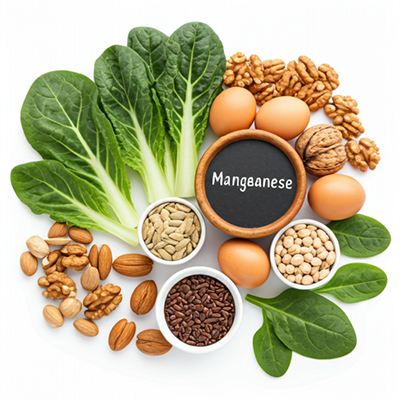
- Novia Scotia dulse
- Norwegian kelp
- Pecans
- Brazil nuts
- Almonds
- Barley
- Avocado
- Grains
- Green leafy vegetables
- Beets
- Oranges
- Blueberries
- Grapefruit
- Apricots
- Peas
- Fresh wheat germ
- Raw egg yolk
Deficiency Symptoms
- Digestive disturbances
- Retarded growth
- Defects in carbohydrate and fat metabolism
- Male and Female sterility
- Abnormal bone development
- Poor equilibrium
- Myasthenia gravis
- Asthma
If manganese deficiency occurs during pregnancy, the offspring may exhibit lack of balance, movement incoordination, retraction of the head, hearing problems, heart disorders, high cholesterol, memory loss, muscle contractions, pancreatic damage, rapid pulse, tremors, and breast ailments. However, deficiencies tend to be rare.
Primary Uses
- Treats sprains and strains
- Inflammation
- Diabetes
- Epilepsy

Absorption
Manganese sulfate or chloride are not as well absorbed as manganese picolinate, magnesium gluconate, or other chelates.
Needed for Assimilation
- Vitamin B complex
- Vitamin E
- Calcium
- Iron
Interactions
Needed for utilization of vitamin B1 (thiamine) and vitamin E. It helps all the B vitamins function better. Essential for people with iron-deficiency anemias.
Cautions
Extremely low toxicity. However, environmental pollution or mining of manganese can lead to “manganese madness” (hyperirritability, hallucinations, and violent acts).
Dosage
RDA 2.5 mg / ODA 5 mg / TDA 2-50 mg.
- Recommended dosage: Most require 2-5 mg daily. Therapeutic dosages for epilepsy are 15-30 mg daily; and, for diabetes, it is 5-15 mg daily. For strains and sprains, 50-200 mg daily for first 2 weeks, followed by 15-30 mg daily.
HEALTH DISCLAIMER: The information on this website is for educational uses only and is not a substitute for professional medical advice. Always consult an authorized healthcare provider for any health concerns before using any herbal or natural remedy. We do not establish, treat, cure, or prevent any disease. Reliance on any material from this website is solely at your own risk. We are not responsible for any adverse effects resulting from the use of information or products mentioned on this website.
REFERENCES
Vance Ferrell, Harold M. Cherne, M.D. 2010. The Natural Remedies Encyclopedia. Altamont: Harvestime Books, 2010. pp. 115. Vol. Seventh.