Best Probiotics for Bloating and Gas 2025 | 8 Top Picks for Real Relief
Contents
- 1 Understanding Bloating and Gas
- 2 Why Bloating and Gas Happen
- 3 The Gut Microbiome’s Role in Bloating
- 4 What Probiotics Are (and How They Differ from Prebiotics)
- 5 How Probiotics Can Help With Bloating and Gas
- 6 Key Probiotic Strains Linked to Bloating Relief
- 7 What To Look For in a Probiotic for Bloating
- 8 1. Best Overall Probiotic for Bloating & Gas: Garden of Life Dr. Formulated Once Daily Women’s (or Men’s) Probiotic
- 9 2. Best for IBS-Related Bloating: Align Probiotic with Bifidobacterium infantis 35624
- 10 3. Best Budget-Friendly Option: Nature’s Bounty Probiotic 10
- 11 4. Best Vegan Probiotic for Bloating: Seed DS-01 Daily Synbiotic
- 12 5. Best Probiotic for Women’s Bloating: Garden of Life Dr. Formulated Once Daily Women’s Probiotic
- 13 6. Best Multi-Strain Formula: Renew Life Ultimate Flora Extra Care
- 14 7. Best Shelf-Stable Travel Pick: Culturelle Digestive Daily Health
- 15 8. Best for Severe Gas and High Potency: VSL#3 (Now Sometimes Sold as Visbiome)
- 16 Quick Comparison Snapshot of The Best Probiotics for Bloating and Gas
- 17 FAQs About Probiotics, Bloating, and Gas
- 18 Putting Probiotics in Context for Bloating and Gas
- 19 Disclaimer
Bloating and gas can ruin a day fast. Clothes feel tight, the stomach looks swollen, and there is pressure or pain that is hard to ignore. For many young adults, this shows up after certain meals, during stressful weeks, or alongside IBS and other gut issues.
Probiotics are often used to support digestive balance and ease gas. Some strains are better studied for bloating than others, and some formulas are built with this in mind. This guide breaks down how bloating works, how probiotics fit in, and which products stand out for gas and distension.
Understanding Bloating and Gas
Bloating usually means the abdomen feels full, tight, or swollen. It may come with visible distension, pressure, and a sense that the stomach is “stretched.” Gas refers to excess air in the digestive tract, which can lead to burping, flatulence, cramping, or sharp pains.
Typical symptoms include:
- Tight or swollen belly, especially after meals
- Belching, passing gas, or rumbling sounds
- Discomfort that improves after using the bathroom
Bloating affects a large part of the adult population, with higher rates in people with IBS, constipation, and food intolerances. Hormonal shifts, highly processed diets, and stress also play a role.
For extra support beyond supplements, many people look at foods promoting healthy digestion to build a more gut-friendly daily routine.
Why Bloating and Gas Happen
Several triggers often stack together:
- Diet High FODMAP foods (certain carbs found in wheat, garlic, onions, beans, apples, and more) can ferment in the gut and cause gas. The Monash University FODMAP Diet resource is frequently used to identify these foods. Carbonated drinks, sugar alcohols, and heavy, fatty meals can also contribute.
- Lifestyle Eating quickly, chewing gum, drinking through straws, and talking while eating all increase swallowed air. Irregular meals and poor sleep tend to go along with a more sensitive gut.
- Underlying conditions Lactose intolerance, IBS, SIBO, and constipation are common drivers. For some people, sluggish bowel movements and stool build-up add to pressure and gas. Gentle supports like best herbs for constipation are often used alongside diet changes to reduce that “backed up” feeling.
The Gut Microbiome’s Role in Bloating
The gut microbiome is the community of bacteria, yeasts, and other microbes that live in the digestive tract. A balanced microbiome helps digest food, produce vitamins, regulate the immune system, and protect the gut lining.
When that balance shifts, a state known as dysbiosis can appear. Certain bacteria may overproduce gas as they ferment undigested carbs. Others may thin the gut lining or affect motility, which can increase bloating, cramping, and irregular bowel movements.
Research in journals like Frontiers in Microbiology links microbiome composition to IBS, gas, and abdominal pain patterns.
What Probiotics Are (and How They Differ from Prebiotics)

Probiotics are live microorganisms that, when consumed in the right amounts, support health. Most probiotic supplements use:
- Bacteria, often Lactobacillus or Bifidobacterium species
- Yeasts, most often Saccharomyces boulardii
Probiotics are different from:
- Prebiotics: fibers or compounds that feed beneficial microbes
- Synbiotics: products that combine probiotics and prebiotics
Prebiotics show up in high fiber foods, but also in products like prebiotic toothpaste for oral health, which focus on the oral microbiome rather than the gut.
How Probiotics Can Help With Bloating and Gas
Research suggests certain probiotic strains may help by:
- Competing with gas-producing microbes
- Supporting better breakdown of food components
- Influencing gut motility so food moves more smoothly
- Modulating inflammation in the gut lining
The National Center for Complementary and Integrative Health overview on probiotics reviews some of this science and notes that results depend heavily on the strain and the symptom.
Improvements in bloating often appear over a few weeks in trials, not overnight. Many people notice changes in stool consistency, gas frequency, and belly comfort first.
Key Probiotic Strains Linked to Bloating Relief
Certain strains show up often in human studies on IBS, gas, and bloating:
Lactobacillus family
- Lactobacillus rhamnosus GG
- Lactobacillus plantarum 299v
- Lactobacillus acidophilus (various strains)
- Lactobacillus casei Shirota
Bifidobacterium family
- Bifidobacterium infantis 35624
- Bifidobacterium longum (several strains)
- Bifidobacterium bifidum
Yeast
- Saccharomyces boulardii CNCM I-745
Formulas that blend Lactobacillus and Bifidobacterium often target general digestive comfort, while single-strain products like L. plantarum 299v or B. infantis 35624 are studied for IBS-type bloating.
For a food-first approach that works alongside these strains, many people lean on 10 best foods for gut health to nourish their microbiome.
What To Look For in a Probiotic for Bloating
When comparing products that focus on gas and distension, buyers often pay attention to:
- Strain identity, not just species Labels that list full strain names, like Bifidobacterium infantis 35624, usually reflect more precise formulation.
- CFU count Many gut formulas provide 5 to 50 billion CFU per day. Higher is not always better, but extremely low counts may be less useful.
- Quality and testing Third-party testing, clear storage instructions, and transparent labeling are common quality markers.
- Formulation features Delayed-release capsules, prebiotic fibers, and allergen information (dairy, gluten, soy) matter for many young adults with sensitivities.
With that foundation in place, here are some of the most talked-about probiotic options for bloating and gas, organized by use case.
1. Best Overall Probiotic for Bloating & Gas: Garden of Life Dr. Formulated Once Daily Women’s (or Men’s) Probiotic

Garden of Life Dr. Formulated Once Daily Probiotics are widely used for general digestive and immune support, and many users report less gas and more regularity after steady use.
These formulas usually include 50 billion CFU per capsule, with multiple Lactobacillus and Bifidobacterium strains that support the small and large intestine. Several strains, like L. acidophilus and B. lactis, are studied for abdominal comfort and stool consistency.
Pros

- High CFU count in a single daily capsule
- Multiple strains for upper and lower gut support
- Shelf-stable options that travel well
Cons
- Some versions contain dairy-derived ingredients
- The high CFU dose may feel “strong” at first for sensitive users
People who track their gut health over time often notice less day-to-day bloating, especially when this probiotic is combined with natural stomach health foods.
2. Best for IBS-Related Bloating: Align Probiotic with Bifidobacterium infantis 35624

Align Probiotic is built around a single, well-studied strain, Bifidobacterium infantis 35624. Clinical trials in IBS have reported improvements in bloating, gas, and abdominal discomfort for some participants.
Align usually uses a modest CFU dose, which suits people who prefer a more targeted, gentle formula rather than a very high-potency blend.
Pros
- Contains a strain with human clinical data for IBS-type symptoms
- Once-daily capsule is simple to stick with
- Widely available in pharmacies and online
Cons
- Often more expensive per capsule than generic blends
- Single-strain focus may not meet every gut need
Reviews often highlight a more comfortable abdomen and less “balloon” feeling after several weeks rather than instant results.
3. Best Budget-Friendly Option: Nature’s Bounty Probiotic 10

Nature’s Bounty Probiotic 10 is a popular, lower-cost option that still offers a mix of Lactobacillus and Bifidobacterium species. Typical capsules contain around 20 billion CFU with 10 strains.
Many users describe improvements in stool regularity and gas volume over time. It is often chosen as a starter probiotic for people who want to test how their body responds without a big upfront cost.
Pros
- Budget-friendly and often on sale
- Multi-strain formula with both Lactobacillus and Bifidobacterium
- Widely accessible in major retailers
Cons
- Less transparent strain-level detail compared with more premium brands
- Some versions may require closer attention to storage conditions
This type of product often pairs well with basic digestive habits, like slower eating and more nutritious options for digestion.
4. Best Vegan Probiotic for Bloating: Seed DS-01 Daily Synbiotic
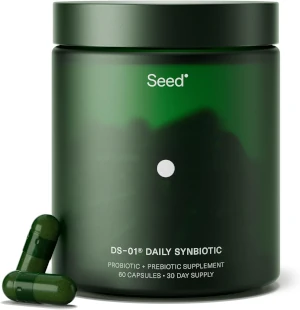
Seed DS-01 is a synbiotic, which means it combines probiotic strains with prebiotic compounds in one capsule. It uses a unique two-layer capsule, with an outer prebiotic shell and inner probiotic core, designed to improve delivery to the colon.
The formula includes several Lactobacillus and Bifidobacterium strains, plus less common species focused on gut barrier function and motility. Many plant-based consumers favor it because it is vegan and free from common allergens.
Pros
- Vegan, gluten-free, and free from many common allergens
- Includes both probiotics and prebiotics in a single product
- Designed for targeted delivery to the intestine
Cons
- Premium price point
- Requires consistent daily use to see changes
Users often report smoother bowel habits and less pressure or tightness across the lower abdomen after one to three months of use.
5. Best Probiotic for Women’s Bloating: Garden of Life Dr. Formulated Once Daily Women’s Probiotic
This women-focused version of Garden of Life’s Once Daily line includes strains for vaginal as well as gut health. The formula offers 50 billion CFU and 16 strains, including probiotic species linked to digestive comfort, immune support, and urogenital balance.
Hormonal cycles can change how women experience bloating and water retention. A formula that supports both gut and vaginal microbiota appeals to those who want a more “whole-system” approach.
Pros
- Targets both digestive and feminine microbiome needs
- Strong CFU count in a single capsule
- Often positively reviewed for reduced monthly bloating patterns
Cons
- Not suitable for those avoiding all dairy derivatives in some versions
- High CFU dose may feel intense for very sensitive digestion
Some users describe that period-related bloating feels less severe or clears faster when their gut routines stay consistent month after month.
6. Best Multi-Strain Formula: Renew Life Ultimate Flora Extra Care

Renew Life Ultimate Flora Extra Care often delivers 30 to 50 billion CFU per capsule with 10 or more strains. The blend heavily features Bifidobacterium species, which are central to colon health and stool formation, and Lactobacillus species for the small intestine.
The idea is simple: a broad blend may cover more digestive functions, from carb fermentation to motility and immune signaling.
Pros
- Many strains across both major probiotic families
- High CFU count for those seeking a stronger formula
- Enteric-coated capsules in many versions to protect against stomach acid
Cons
- Higher price than basic probiotics
- Some people experience temporary extra gas while adjusting
For users with pattern-based gas and bloating, such as after large or late-night meals, this type of blend often receives comments about a calmer gut baseline after the initial adjustment phase.
7. Best Shelf-Stable Travel Pick: Culturelle Digestive Daily Health
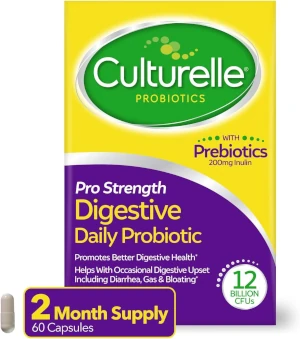
Culturelle Digestive Daily Health primarily uses Lactobacillus rhamnosus GG, which is one of the most researched probiotic strains worldwide. It is shelf-stable, so it suits travel and busy schedules.
This strain has been studied for diarrhea, general gut balance, and digestive discomfort. While it is a single-strain formula, many people find it helpful for mild bloating and gas linked to changes in routine, travel, or moderate diet shifts.
Pros
- Shelf-stable and easy to carry
- Backed by a large body of strain-specific research
- Often well tolerated by sensitive users
Cons
- Single-strain focus may not cover every digestive concern
- CFU levels are more modest than ultra-high potency blends
People often keep this type of probiotic on hand for trips or situations where their normal eating pattern shifts and gas tends to increase.
8. Best for Severe Gas and High Potency: VSL#3 (Now Sometimes Sold as Visbiome)
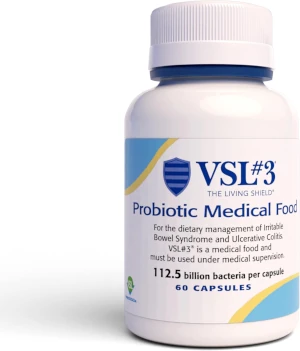
VSL#3, now often branded as Visbiome in many markets, is a high-potency medical probiotic that contains multiple strains of Lactobacillus, Bifidobacterium, and Streptococcus thermophilus. CFU counts are extremely high, sometimes 112.5 billion CFU or more per serving, depending on the version.
It has been studied in conditions like IBS and ulcerative colitis, and some users with significant bloating and gas report strong shifts in their symptoms.
Pros
- Very high CFU count for maximum bacterial input
- Multi-strain formula with research in serious gut conditions
- Often used under healthcare supervision
Cons
- Typically more expensive than standard supplements
- Requires refrigeration in most versions
- Powerful formulas can cause noticeable adjustment effects
Because of its potency, this type of probiotic is commonly used in more complex digestive situations where regular low-dose products have not made much difference.
Quick Comparison Snapshot of The Best Probiotics for Bloating and Gas
| Product | Approx. CFU (per day) | Strain Style | Best For |
|---|---|---|---|
| Garden of Life Once Daily (Women/Men) | ~50 billion | Multi-strain blend | Overall bloating & gas |
| Align Probiotic | ~1 billion | Single-strain B. infantis 35624 | IBS-type bloating |
| Nature’s Bounty Probiotic 10 | ~20 billion | Multi-strain, budget | Cost-conscious daily support |
| Seed DS-01 Daily Synbiotic | ~24+ strains, synbiotic | Vegan synbiotic complex | Plant-based users, long-term gut focus |
| Garden of Life Women’s Probiotic | ~50 billion | Multi-strain, women-focused | Hormonal and gut-related bloating |
| Renew Life Ultimate Flora Extra Care | 30–50 billion | Diverse multi-strain | Strong multi-strain daily use |
| Culturelle Digestive Daily Health | ~10 billion | Single-strain LGG | Travel and routine digestive support |
| VSL#3 / Visbiome | 100B+ | High-potency multi-strain | Severe gas and complex gut issues |
FAQs About Probiotics, Bloating, and Gas
1. How long do probiotics usually take to affect bloating?
Research in IBS and functional gut disorders often tracks results over 4 to 8 weeks. Some people notice gas changes in the first couple of weeks, while others feel more gradual shifts in stool pattern, pressure, and comfort.
Consistency and steady routines around meals, sleep, and herbs for intestinal health often shape how fast results show up.
2. Can probiotics cause more gas at first?
Short-term gas or a change in bowel habits sometimes appears when someone starts a new probiotic, especially a high CFU or multi-strain formula. As the microbiome shifts, fermentation patterns can change.
This adjustment period usually settles over days to a few weeks. If symptoms feel intense or keep worsening, many people simply stop that product and try a different strain set or a lower dose.
3. Are probiotics safe for everyone?
Most healthy adults tolerate probiotics well. That said, people with serious illnesses, immune problems, or central lines are often managed with extra caution in clinical settings. Safety discussions in reviews and scientific papers, such as those in Nutrients on probiotic use, highlight that risk profiles vary by person and product.
4. Is yogurt the same as a probiotic supplement?
Many yogurts contain live cultures, but not all strains are present in amounts used in research. Supplements usually list specific strains and CFU counts and can provide higher or more targeted doses.
Yogurt and fermented foods still play a useful role in a gut-friendly diet, especially when paired with other foods to boost your microbiome.
5. How are probiotics stored?
Some probiotics are shelf-stable and stay effective at room temperature, while others require refrigeration to keep bacteria alive. Labels usually state storage rules clearly. Poor storage over time can reduce CFU counts and weaken the effect of the product.
Putting Probiotics in Context for Bloating and Gas
Probiotics are not magic, but they can be a strong part of a bloating and gas strategy. The best probiotics for bloating use strains that have real data in humans, focus on gut comfort and motility, and match a person’s diet, budget, and lifestyle.
Options like Garden of Life Once Daily, Align, Nature’s Bounty Probiotic 10, Seed DS-01, Culturelle, Renew Life Ultimate Flora, and VSL#3 each bring a different angle, from gentle daily support to high-potency, research-heavy blends.
Those who get the best results usually combine probiotics with steady habits: more fiber-rich whole foods, fewer known trigger foods, supportive herbs for digestion, and consistent routines that keep the gut microbiome happy over time.
Disclaimer
HEALTH DISCLAIMER: The information on this website is for educational uses only and is not a substitute for professional medical advice. Always consult an authorized healthcare provider for any health concerns before using any herbal or natural remedy. We do not establish, treat, cure, or prevent any disease. Reliance on any material from this website is solely at your own risk. We are not responsible for any adverse effects resulting from the use of information or products mentioned on this website.