Lion’s Mane Mushroom Benefits for Brain Health (What Science Really Shows)
Contents
- 1 What Is Lion’s Mane Mushroom and Why Is It Linked to Brain Health?
- 2 Top Lion’s Mane Mushroom Benefits for Brain Health
- 2.1 Improved memory, focus, and mental clarity
- 2.2 Support for aging brains and protection from cognitive decline
- 2.3 Nerve repair and recovery: how lion’s mane may help the nervous system
- 2.4 Lower inflammation and oxidative stress in the brain
- 2.5 Mood, stress, and sleep: can lion’s mane help you feel calmer?
- 3 How to Use Lion’s Mane Safely for Brain Health
- 4 What Science Still Needs to Learn About Lion’s Mane Mushroom Benefits
- 5 Disclaimer
- 6 References

If you spend any time around brain health or biohacking content, you have probably heard of lion’s mane mushroom. Some people add it to coffee, others take capsules and many swear it sharpens their mind.
So what is behind all this buzz? Research up to 2025 suggests lion’s mane mushroom benefits may include support for memory, focus, mood, and healthy aging of the brain. The results are hopeful, but scientists are still testing how strong and reliable these effects really are.
This guide walks you through what lion’s mane is, how it may support your brain, how to use it more safely, and what science still needs to figure out.
What Is Lion’s Mane Mushroom and Why Is It Linked to Brain Health?
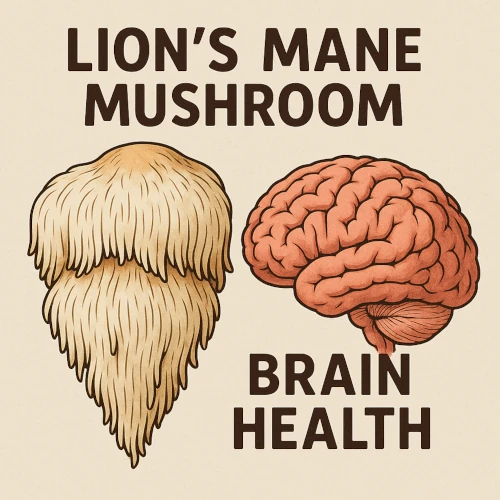
Lion’s mane (Hericium erinaceus) is a white, shaggy mushroom that looks a bit like a waterfall or a lion’s mane. It has a long history in East Asian medicine, where it was used for stomach problems and general health.
Today it shows up in powders, capsules, tinctures, and even “mushroom coffee.” It is popular with students, older adults, gamers, and anyone chasing clearer thinking.
The real interest started when scientists found that lion’s mane holds special compounds, called hericenones and erinacines. These plant chemicals seem to help the brain grow and protect nerve cells. Modern medical centers, such as the Cleveland Clinic, now describe lion’s mane as one of the most promising mushrooms for brain support.
These compounds appear to work with something called nerve growth factor (NGF). NGF is a protein your body makes that helps nerve cells grow, survive, and talk to each other. You can think of NGF as a coach that keeps brain cells active and in good shape.
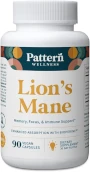
Pattern Wellness Lion’s Mane Mushroom – Supplement
Capsules for Cognitive & Focus Support – Enhanced Absorption – 90 Vegan Capsules.
- Lion’s Mane is a functional mushroom traditionally used to support mental clarity and focus.
- It’s a simple wellness ritual that fits right into your flow.
- Lion’s Mane plays a role in supporting immune system balance, so you can feel ready for whatever’s next.
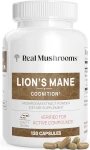
Real Mushrooms
Lion’s Mane Capsules for Brain & Immune Support: Made using hand-picked Lion’s Mane mushroom extract, our supplement provides impressive benefits to support cognitive function and overall well-being.
- Our mushroom capsules are only made from 100% mushrooms (fruiting bodies), not mycelium grown on grain like most brands.
- Verified by 3rd-party labs, our organic mushroom supplement has >30% beta-glucans per capsule, helping to naturally support your immune system.
- You can also break a few capsules open and add them to your meal or drink.
Key brain-supporting compounds in lion’s mane mushroom
Hericenones and erinacines are like gardeners for your brain.
Hericenones, found mostly in the fruiting body (the part that looks like a mushroom), may help brain cells build stronger connections. Picture them as workers adding extra “branches” between nerve cells so signals move faster and more clearly.
Erinacines, found mainly in the mycelium (the root-like part), seem even stronger in lab tests. They may support the growth and repair of nerve fibers. This could be useful when the brain has been under stress, such as from aging, toxins, or injury.
Together, these compounds might help:
- Grow new connections between neurons
- Protect existing brain cells from damage
- Support repair after minor injuries in the nervous system
Scientists are still testing how much of this happens in real people, not just animals and cells in dishes.
How lion’s mane interacts with nerve growth factor (NGF)
NGF keeps certain brain cells alive and active. It helps them:
- Survive longer
- Grow new branches
- Communicate more clearly
Animal and cell studies show that lion’s mane can boost the body’s own NGF. That is why many people connect lion’s mane with better memory, learning, and mental clarity.
Early human research hints at similar effects, but on a smaller scale. Many of the strongest results come from animal studies and small human trials that last only a few weeks or months. Larger, long-term studies are still on the way, so nothing is guaranteed yet.
Top Lion’s Mane Mushroom Benefits for Brain Health
When people talk about lion’s mane mushroom benefits, they usually mean its possible effects on thinking, memory, mood, and brain aging. Here is what current research suggests.
Improved memory, focus, and mental clarity
Several small studies in older adults with mild memory issues found that daily lion’s mane improved scores on memory and thinking tests. In many cases, people noticed clearer recall and smoother mental processing after taking it for a few months.
Interesting detail: when they stopped taking lion’s mane, the benefits faded. This hints that you may need ongoing use for steady support, rather than a one-time boost.
Newer research in healthy adults, such as a 2025 trial on a standardized extract published in Frontiers in Nutrition, suggests lion’s mane may help with certain thinking tasks and mood, even in people without memory problems (study on acute lion’s mane extract). Many users also report less “brain fog,” smoother focus, and easier multitasking, although personal reports are not the same as clinical proof.
Support for aging brains and protection from cognitive decline
As we age, brain cells face more stress. Connections can weaken, and memory can slow down. Some research suggests lion’s mane may help guard the brain against this wear and tear.
Animal studies show that lion’s mane appears to slow down changes linked to Alzheimer’s-like brain damage. Small human trials in older adults with mild cognitive problems found better test scores and daily function after several months of use.
This does not make lion’s mane a cure for dementia. At best, it may be a gentle support for aging brains, especially when paired with sleep, movement, and a healthy diet.
Nerve repair and recovery: how lion’s mane may help the nervous system
In animal and lab studies, lion’s mane often looks like a “repair helper” for the nervous system. It seems to encourage damaged nerves to regrow and reconnect.
Researchers have tested it in models of stroke, spinal injury, and nerve damage in the arms and legs. In many of these models, lion’s mane improved recovery of movement and sensation.
We cannot assume the same level of repair in humans yet, but the idea is exciting. For now, the honest statement is simple: lion’s mane may support nerve healing, and scientists are still learning how that translates to people.
Lower inflammation and oxidative stress in the brain
Two big enemies of brain health are inflammation and oxidative stress. You can picture inflammation as long-term “irritation” in tissues, and oxidative stress as “rust” forming on cells over time.
Lion’s mane contains antioxidants and compounds that calm inflammatory signals. Studies suggest it may:
- Lower brain inflammation markers
- Boost the body’s own antioxidant defenses
- Protect brain cells from toxins and stress
A 2025 review for general readers in USA Today highlights these antioxidant and anti-inflammatory effects as part of the mushroom’s brain-supporting profile (overview of lion’s mane science).
Mood, stress, and sleep: can lion’s mane help you feel calmer?
Your brain is not just a thinking machine. It also runs your mood, stress response, and sleep cycles.
Small human studies, along with many user stories, suggest lion’s mane may:
- Lower feelings of anxiety
- Ease symptoms of mild depression
- Improve overall sense of well-being
A review from the Oncology Nursing Society notes that small trials connect lion’s mane with better stress and mood scores in some people (summary of lion’s mane evidence). These effects may relate to its impact on brain growth factors and reduced inflammation.
Again, lion’s mane is not a replacement for therapy, medication, or medical care. It may serve as a gentle add-on tool for mental balance.
How to Use Lion’s Mane Safely for Brain Health
Lion’s mane is widely sold as a supplement, so it feels very casual. Still, it affects the brain, so a thoughtful approach makes sense.
Common forms, dosage ranges, and how long to take it
You can find lion’s mane as:
- Capsules or tablets
- Powders to add to drinks or food
- Liquid tinctures
- Coffee or tea blends
Human studies often use total daily doses from about 500 milligrams to 3 grams of extract. That is usually split into two or three servings. Some research also looks at higher amounts that match about 30 grams of fresh mushroom per day.
Benefits in studies tend to show up after several weeks of daily use, not after a single dose. If you try it, plan to give it at least 4 to 8 weeks before judging the effect, unless you notice side effects.
Because products vary a lot, check labels for:
- Amount of extract per serving
- Whether it includes fruiting body, mycelium, or both
- Third-party testing for quality, if available
Side effects, safety tips, and who should avoid lion’s mane
Most people tolerate lion’s mane well, but side effects can happen. These are usually mild and may include:
- Stomach upset
- Nausea
- Skin rash or itching, especially in people with mushroom allergies
Smart safety steps:
- Start with a low dose and increase slowly
- Take it with food if your stomach feels uneasy
- Stop use if you notice trouble breathing, swelling, rash, or strong discomfort
Talk with a healthcare provider before using lion’s mane if you:
- Are pregnant or breastfeeding
- Take prescription medications, especially for blood sugar or blood clotting
- Have allergies to other mushrooms or molds
- Have a serious medical condition
A quick chat with a doctor or pharmacist helps you fit lion’s mane into your plan in a safer way.
What Science Still Needs to Learn About Lion’s Mane Mushroom Benefits
Even with all the excitement, the science on lion’s mane is still young.
Many strong results come from animal or cell studies, not from large human trials. Human studies often follow small groups of people for only a few months. We still need bigger, longer trials to know the best dose, how long to take it, and who benefits most.
New clinical trials, like those listed on ClinicalTrials.gov, are starting to fill in the gaps. For now, it is best to see lion’s mane as a helpful tool, not a magic fix.
Lion’s mane mushroom has moved from old herbal texts into modern brain health conversations for a reason. Research hints that lion’s mane mushroom benefits may include better memory and focus, calmer mood, and extra protection for aging brains.
At the same time, the evidence is not final. Most of the strong data comes from animals and small human studies, so expectations should stay realistic. Good sleep, regular movement, stress management, and a nutrient-rich diet still carry the most weight for brain health.
If you are curious about lion’s mane, talk with a healthcare provider who understands supplements. Together, you can decide whether this unusual white mushroom fits into your long-term brain care plan.
Disclaimer
The information on this website is for educational uses only and is not a substitute for professional medical advice. Always consult an authorized healthcare provider for any health concerns before using any herbal or natural remedy. We do not establish, treat, cure, or prevent any disease. Reliance on any material from this website is solely at your own risk. We are not responsible for any adverse effects resulting from the use of information or products mentioned on this website.
References
- Surendran G et al. (2025). Double-blind randomized trial of lion’s mane extract on cognition and mood in healthy adults. Frontiers in Nutrition.
- Surendran G et al. (2025). Acute cognitive and mood effects of standardized Hericium erinaceus extract in healthy adults. Frontiers in Nutrition. Full text: https://pubmed.ncbi.nlm.nih.gov/40276537/
- Alzheimer’s Drug Discovery Foundation (2023). Lion’s Mane Mushroom: Cognitive Vitality profile. https://www.alzdiscovery.org/uploads/cognitive_vitality_media/Lions-Mane-Cognitive-Vitality-For-Researchers.pdf
- Clinical trial NCT06870136 (ongoing). Study evaluating the quality and effects of lion’s mane supplementation on cognitive functions. https://clinicaltrials.gov/study/NCT06870136
- Nagano M et al. (2010). Reduction of depression and anxiety symptoms after Hericium erinaceus intake. Biomedical Research.
- Mori K et al. (2009). Improvement of mild cognitive impairment by oral intake of Hericium erinaceus. Phytotherapy Research.