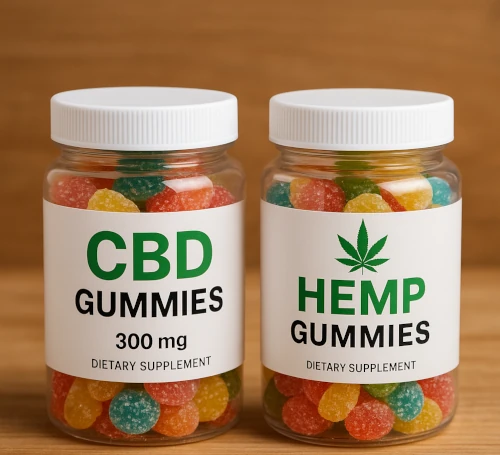
Hemp Gummies vs CBD Gummies: 10 Clear Differences You Should Know
Contents
- 1 1. Hemp Gummies vs CBD Gummies: The Core Definition
- 2 2. Where They Come From On The Plant
- 3 3. Cannabinoid Content: CBD, THC, And More
- 4 4. Claimed Benefits: Nutrition vs Targeted Effects
- 5 5. How They Interact With The Body
- 6 6. Psychoactive Effects And “Feeling High”
- 7 7. Legal Status And Regulations
- 8 8. Label Transparency And How To Read The Package
- 9 9. Common Uses And Who Tends To Choose Each
- 10 10. Price, Availability, And Quality Differences
- 11 Key Takeaways On Hemp Gummies vs CBD Gummies
- 12 Disclaimer
Hemp gummies vs CBD gummies is one of the most searched comparisons in the cannabis space. The two products look the same, taste similar, and often sit beside each other on the shelf, yet they are not equal in content or effects.
This guide breaks down the main differences in plain language. By the end, the terms on labels will make more sense, and marketing claims will feel easier to judge.
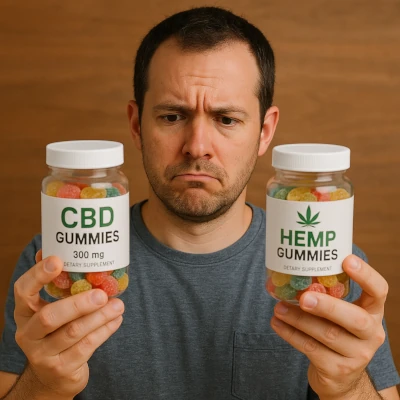
1. Hemp Gummies vs CBD Gummies: The Core Definition
At the most basic level, hemp gummies and CBD gummies are not the same product.
Hemp gummies
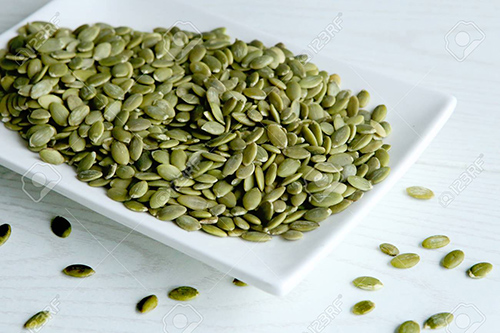
Hemp gummies are usually made with hemp seed oil or hemp seed extract. Hemp seeds contain healthy fats, protein, and some vitamins and minerals, but they do not naturally contain CBD or other cannabinoids in meaningful amounts. As a result, hemp gummies tend to focus on nutrition and general wellness.
Many brands describe hemp gummies as a way to get omega-3 and omega-6 fatty acids in a sweet, easy format. Articles like this overview from Lazarus Naturals explain that hemp seed oil products do not contain CBD by default.
CBD gummies
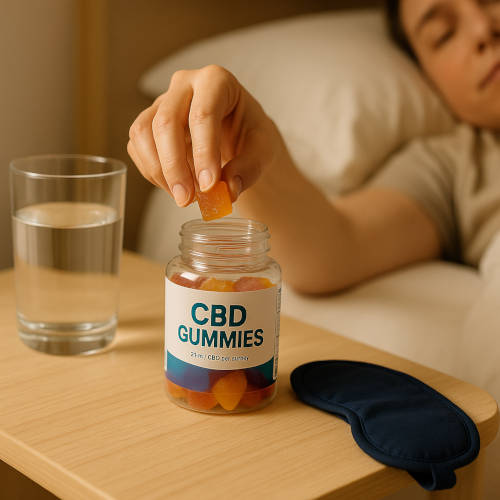
CBD gummies contain cannabidiol that comes from hemp flowers and leaves, not from the seed. This is where cannabinoids are concentrated. CBD gummies usually list a specific amount of CBD per gummy, for example 10 mg, 25 mg, or 50 mg.
In short, hemp gummies are usually about nutrition, and CBD gummies are about cannabinoids, especially CBD.
2. Where They Come From On The Plant
Both hemp gummies and CBD gummies start with the same plant species, Cannabis sativa, but they use different parts of it.
Plant parts used
- Hemp gummies usually rely on pressed hemp seeds.
- CBD gummies use extract from hemp flowers and sometimes leaves, where CBD and other cannabinoids live in resinous trichomes.
Because of this plant-part difference, the chemical makeup of the final gummy changes a lot.
Why this matters
Hemp seeds are rich in essential fatty acids and other nutrients. CBD-rich flowers, on the other hand, carry cannabinoids that interact with the body’s endocannabinoid system. This system helps regulate mood, pain, sleep, and stress response.
For readers interested in calming herbs that act on the nervous system, including cannabis-related plants, the guide on herbal support for nervous system health offers a useful broader context.
3. Cannabinoid Content: CBD, THC, And More
The most important part of the hemp gummies vs CBD gummies debate is cannabinoid content.
Hemp gummies
- Usually contain no meaningful CBD
- Typically have no THC
- Any cannabinoids present are trace amounts from incidental plant material, not from a concentrated extract
CBD gummies
- Contain a labeled amount of CBD per serving
- May contain THC, depending on formula
- Can be:
- CBD isolate (only CBD, no other cannabinoids)
- Broad spectrum (CBD plus other cannabinoids, but no detectable THC)
- Full spectrum (CBD plus other cannabinoids and up to 0.3% THC by dry weight, according to U.S. federal law)
Resources such as this detailed comparison from cbd.market explain how hemp seed products differ chemically from CBD extracts.
When a product lists only “hemp oil” or “hemp seed oil” on the front and never mentions CBD on the supplement facts panel, it is likely a hemp gummy rather than a CBD gummy.
4. Claimed Benefits: Nutrition vs Targeted Effects
Hemp gummies vs CBD gummies also differ in how brands typically describe benefits.
Common claims for hemp gummies
Hemp gummy marketing often focuses on:
- General wellness
- Support for skin, hair, and nails
- Contribution of omega-3 and omega-6 fatty acids
- Basic mood and energy support
A brand might position hemp gummies as a plant-based daily supplement. Some articles, such as the guide on hemp gummy benefits from cbdMD, describe them as a tasty way to add hemp nutrition to the day.
Common claims for CBD gummies
CBD gummies are often promoted for:
- Calming daily stress
- Mild support for anxiety symptoms
- Sleep support formulas, often combined with melatonin
- Exercise recovery and minor pain relief
A review from Drugs.com on CBD gummies and possible health benefits notes that makers frequently highlight relief of anxiety, pain, inflammation, and sleep issues, even though evidence in humans is still developing.
Hemp gummies tend to aim at general nutritional support, while CBD gummies usually target mood, comfort, and rest.
5. How They Interact With The Body
Hemp gummies and CBD gummies do not work in the body in the same way.
Hemp gummies: nutritional route
Hemp gummies deliver nutrients through normal digestive absorption. Fatty acids, vitamins, and minerals follow the same path as other food. Their effects, such as support for skin or heart, come from improved nutrition rather than direct action on receptors.
CBD gummies: endocannabinoid system
CBD gummies interact with the endocannabinoid system. CBD does not bind strongly to CB1 and CB2 receptors the way THC does, but it affects several receptor systems and enzymes.
Research is still ongoing. The Mayo Clinic’s overview on CBD safety and effectiveness points out that CBD is being studied for conditions such as anxiety, pain, and sleep issues, along with neurological disorders.
Because hemp gummies usually lack CBD, they do not provide the same receptor-level interaction, even if some people feel more balanced from better nutrition.
6. Psychoactive Effects And “Feeling High”
A common concern in any hemp gummies vs CBD gummies discussion is whether they cause a “high.”
Hemp gummies
- Typically contain no THC
- Do not produce a high
- Felt effects, if any, are more subtle, such as mild relaxation or a sense of general well-being from better nutrition
CBD gummies
- Properly labeled hemp-derived CBD gummies stay under 0.3% THC by dry weight in the United States
- CBD itself is not intoxicating
- Full spectrum CBD gummies can feel slightly more relaxing or heavy in the body, due to small amounts of THC and other cannabinoids
Most reputable brands explain that hemp gummies are non-intoxicating and that CBD gummies are non-intoxicating as long as THC levels are low. Several education pages, such as this guide from Cornbread Hemp, make this distinction clear.
For people who want no chance of intoxication, hemp gummies or THC-free CBD formulas (broad spectrum or isolate) are usually chosen.
7. Legal Status And Regulations
Both hemp gummies and CBD gummies sit under hemp product laws, but rules can differ by country and state.
Hemp gummies
- Made from hemp seed oil, which has been legal in many places for years
- Often face less strict oversight because they are closer to a food or general supplement
- May still need to follow rules on labeling, health claims, and food safety
CBD gummies
- Must comply with laws about hemp-derived cannabinoids
- In the United States, federal law allows hemp products with less than 0.3% THC by dry weight
- State laws vary on selling CBD in foods or supplements
- Some regions treat CBD gummies like any other supplement, others have stricter rules or gray areas
Many educational pieces on hemp gummies vs CBD gummies, such as the breakdown from Zebra CBD on key differences between hemp and CBD gummies, point out that labeling standards and enforcement are still catching up in some markets.
Regulations change over time, so legal status can shift depending on location and date.
8. Label Transparency And How To Read The Package
Labels reveal a lot in the hemp gummies vs CBD gummies comparison.
What hemp gummy labels often say
- “Hemp oil,” “hemp seed oil,” or “hemp extract” without a clear CBD number
- Benefits focused on nutrition, mood, or “balance”
- Ingredient list that highlights seed oils, vitamins, or herbal blends
If the label never lists milligrams of CBD or other cannabinoids, it is usually a hemp gummy, not a CBD product.
What CBD gummy labels often say
- “CBD,” “cannabidiol,” or “hemp extract with X mg CBD”
- A precise dosage, such as “25 mg CBD per gummy”
- Mention of full spectrum, broad spectrum, or isolate
- QR code or link to third-party lab test results, showing cannabinoid content and safety testing
Several product education pages, such as the Neurogan comparison of hemp gummies vs CBD gummies, stress the value of checking the supplement facts panel and lab reports for CBD content and purity.
Clear labels help buyers understand exactly what they are getting from each gummy.
9. Common Uses And Who Tends To Choose Each
People often reach for hemp gummies and CBD gummies for different reasons, even though the products may look the same.
Typical uses for hemp gummies
Many people use hemp gummies when they:
- Want a plant-based nutritional boost
- Prefer a product that does not interact with cannabinoid receptors in a direct way
- Care about skin, hair, or general wellness support
- Want something that feels more like a daily vitamin gummy
Articles such as the Green Herbal Care overview of hemp gummies vs CBD gummies note that hemp gummies tend to fit people who focus mainly on basic nutrition.
Typical uses for CBD gummies
People often choose CBD gummies when they:
- Want targeted support for daily stress
- Are interested in gentler help with sleep
- Look for support around post-exercise soreness or general discomfort
- Prefer a non-intoxicating option compared with high-THC products
At the same time, the Mayo Clinic and other medical sources remind readers that evidence is still emerging and that CBD can interact with some medications, so professional guidance is important for medical use.
Hemp gummies and CBD gummies serve overlapping audiences, but goals can be quite different.
10. Price, Availability, And Quality Differences
Hemp gummies vs CBD gummies also differ in cost and how brands build quality.
Price patterns
- Hemp gummies are usually less expensive per bottle and per serving. Hemp seed oil is cheaper to produce and does not require cannabinoid extraction.
- CBD gummies are commonly more expensive because extracting, purifying, and testing CBD adds cost. Per-milligram pricing, flavoring, and brand reputation all affect final price.
Many comparison guides, such as the upliftohio hemp vs CBD gummy article, point out that higher CBD levels and full-spectrum formulas usually cost more.
Quality considerations
For both hemp and CBD gummies, responsible brands tend to:
- Use clear labels and batch numbers
- Provide third-party lab tests, especially for CBD products
- Avoid outrageous health claims, especially claims that sound like cures
Because CBD interacts with body systems more directly than hemp seed oil, reputable CBD brands focus heavily on lab testing for potency and purity.
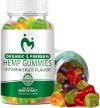
Hemp Gummies Extra Strength
MOSRAY Hemp gummies for Pain, Sleep, Anxiety made from carefully selected hemp extracts from Colorado, using advanced CO2 extraction technology to preserve the nutritional components of the entire hemp plant (leaves, stems) ,which ensures maximum potency.
- Provides you with overall health support.
- Each gummy is packed with Omega-3 6 9, Vitamin B, C, E, and is low in sugar, promoting overall health improvement.
- Our hemp supplements can help you restore your inner calm, have a restful slееp, and forget about your issues for a while.
Key Takeaways On Hemp Gummies vs CBD Gummies
The phrase “hemp gummies vs CBD gummies” covers two products that share a plant source but differ in important ways.
- Hemp gummies usually rely on hemp seed oil, focus on nutrition, and contain no meaningful CBD.
- CBD gummies are built around cannabidiol from hemp flowers and leaves, often target mood, stress, sleep, or comfort, and must list CBD content per serving.
- Neither product should cause a strong high when made from compliant hemp, although full spectrum CBD gummies may feel more relaxing because of small amounts of THC and other cannabinoids.
- Labels, third-party lab tests, and realistic marketing claims are the clearest signs of a well-made product in either category.
Understanding these differences makes it easier to read packaging, compare brands, and match hemp or CBD gummies with personal goals and comfort levels, without relying on buzzwords or confusing marketing language.
Disclaimer
The information on this website is for educational uses only and is not a substitute for professional medical advice. Always consult an authorized healthcare provider for any health concerns before using any herbal or natural remedy. We do not establish, treat, cure, or prevent any disease. Reliance on any material from this website is solely at your own risk. We are not responsible for any adverse effects resulting from the use of information or products mentioned on this website.