Demystifying The Lovage Plant
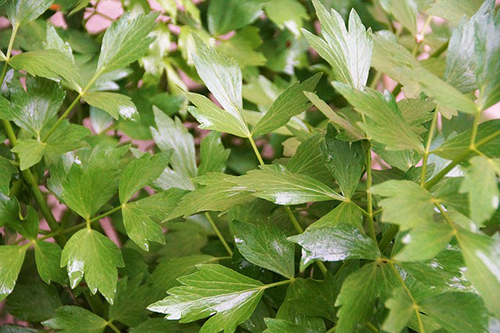
The lovage plant is like large celery, with interesting medicinal and culinary applications. Its ground root is used as a seasoning in central Europe since its flavor resembles pepper. The hollow stems of lovage are used as a cane to suck hot liquids for colds.
Lovage Plant Scientific Facts
- Other names: Sea parsley, European lovage.
- French: Liveche, celery batard.
- Spanish: Levistico, apio de monte.
- Environment: Native to western Mediterranean countries, it has been widely cultivated throughout Europe and some regions of America.
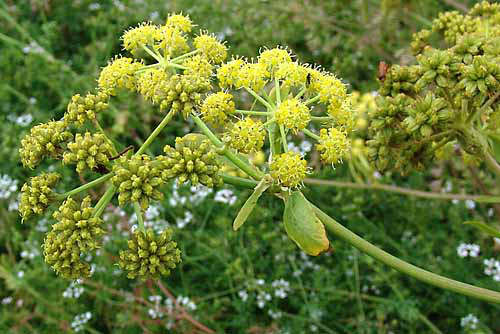
- Description: Lovage is a vibrant plant of the Umbelliferae family, growing from one to two meters high, with a firm, however hollow, stem. Its flowers are greenish or yellowish and grow in terminal umbels.
- Parts of the plant used medicinally: The root in spring and the seeds and leaves in early fall.
Healing Properties
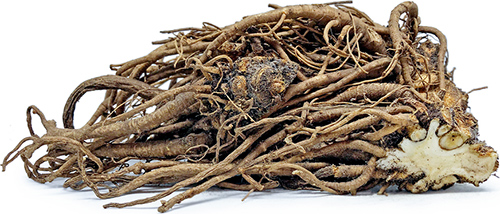
The ROOT of the lovage plant contains essential oil, coumarin, starch, tannin, and vitamin C. It is an excellent diuretic and stomachic invigorator; it eases digestion when there is a lack of gastric juice, as in the case of chronic gastritis and digestive atony. The LEAVES have the same properties, though they act less intensely.
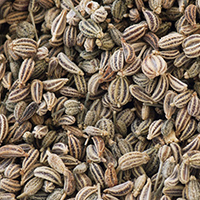
The SEEDS of lovage have carminative (eliminate intestinal gas) and emmenagogue (increase menstrual flow) properties, as happens with all plants belonging to the Umbelliferae family.
How to use Lovage
- Seasoning.
- Root infusion, with 20 grams per liter of water. Drink a cup after every meal.
- Infusion of leaves. With 30 grams per liter of water. Again, drink a cup after every meal.
- Infusion of seeds, with 30 grams per liter of water. Drink two or three cups daily.
DISCLAIMER: All content on this website is presented solely for educational and informational objectives. Do not rely on the information provided as a replacement for advice, diagnosis, or treatment from a qualified medical expert. If you are pregnant, nursing, or have any preexisting medical concerns, talk to your doctor before using any herbal or natural medicines.
REFERENCES
- George D. Pamplona-Roger, M.D. “Encyclopedia of Medicinal Plants.” George D. Pamplona-Roger, M.D. Encyclopedia of Medicinal Plants. Ed. Francesc X. Gelabert. vols. 2 San Fernando de Henares: Editorial Safeliz, 2000. 578. Print. [lovage plant]
- National Institutes of Health: https://www.ncbi.nlm.nih.gov/books/NBK548184/
- Verywell Health: https://www.verywellhealth.com/lovage-benefits-side-effects-dosage-and-interactions-4686373
- Healthline: https://www.healthline.com/nutrition/antioxidants-explained
Last update on 2025-12-22 / Affiliate links / Images from Amazon Product Advertising API