Foods That Cause Gout | 11 Foods to Limit and Healthier Alternatives
Contents
- 1 What is Gout?
- 2 11 Foods That Can Trigger Gout Flare-Ups (and What to Eat Instead)
- 2.1 1. Red Meat (Beef, Lamb, Pork)
- 2.2 2. Shellfish (Shrimp, Crab, Lobster, Oysters)
- 2.3 3. Fatty Fish (Sardines, Anchovies, Herring)
- 2.4 4. Alcoholic Beverages (Beer, Wine, Spirits)
- 2.5 5. Caffeinated Energy Drinks & Excess Coffee
- 2.6 6. Brewer’s Yeast and Yeast Supplements
- 2.7 7. Legumes (Peas, Soybeans, Lentils)
- 2.8 8. Spinach, Chard, and Rhubarb
- 2.9 9. Fructose and Sugary Drinks
- 2.10 10. Mushrooms
- 2.11 11. Asparagus
- 3 What You Can Eat on a Gout-Friendly Diet
- 4 Lifestyle Habits That Support Healthy Uric Acid Levels
- 5 Key Takeaways
- 6 Disclaimer
- 7 References
What is Gout?
Gout isn’t just an “old man’s disease.” It’s a painful form of inflammatory arthritis that can affect anyone — and it’s becoming more common among Millennials and Gen Z.
The culprit? Excess uric acid in the blood. When your body produces too much (or your kidneys can’t eliminate enough), sharp crystals form in the joints — most often in the big toe — causing redness, swelling, and intense pain.
According to a 2022 review in Frontiers in Nutrition, high intake of purine-rich foods directly contributes to increased uric acid production and gout risk.
Contrary to outdated beliefs, gout doesn’t only affect men. A 2024 JAMA Network Open study found rising gout cases among both younger men and women — linked to diet, alcohol, and metabolic health.
Modern lifestyles make gout more relevant than ever. Between high-protein diets, energy drinks, social alcohol use, and desk jobs, young adults are hitting many of the risk factors for elevated uric acid.
Beyond joint pain, gout can be a metabolic warning sign. Research in JAMA Network Open (2024) found that gout is often associated with obesity, kidney issues, and heart disease — all of which are on the rise in younger adults.
11 Foods That Can Trigger Gout Flare-Ups (and What to Eat Instead)
1. Red Meat (Beef, Lamb, Pork)
Why it’s a problem:
- Red meats are packed with purines, compounds that your body converts into uric acid. Regular consumption can raise your uric acid levels significantly.
- A review in Frontiers in Nutrition (2022) confirmed that red meat intake correlates with higher uric acid concentration and gout incidence.
What to eat instead:
- Mushroom-based meat substitutes for flavor without the purine overload
- Lean poultry like chicken or turkey
- Plant-based proteins (tofu, lentils, tempeh — in moderation)
2. Shellfish (Shrimp, Crab, Lobster, Oysters)
Why it’s a problem:
- Shellfish are among the highest-purine foods, and overconsumption can easily spike uric acid levels.
- A 2021 study in Arthritis & Rheumatology identified shellfish as one of the strongest dietary triggers for gout flare-ups.
What to eat instead:
- Plant-based omega-3 sources such as flaxseeds, walnuts, and chia seeds
- White fish like cod or tilapia (lower purine content)

3. Fatty Fish (Sardines, Anchovies, Herring)
Why it’s a problem:
- These oily fish are rich in omega-3s — but also extremely high in purines.
- According to the USDA Food Composition Database, sardines and anchovies top the purine list among all seafood.
What to eat instead:
- Algae-based omega-3 supplements — perfect for plant-based eaters
- Salmon or trout (lower in purines, still heart-healthy)
4. Alcoholic Beverages (Beer, Wine, Spirits)
Why it’s a problem:
- Alcohol interferes with uric acid elimination. Beer is particularly problematic due to its yeast content.
- A JAMA Network Open (2024) study found that even moderate alcohol intake can increase gout risk, with beer and spirits having the strongest associations.
Better options:
- If you drink, limit frequency and stick to smaller servings
- Mocktails, sparkling water, or kombucha
5. Caffeinated Energy Drinks & Excess Coffee

Why it’s complicated:
- Caffeine belongs to the same chemical family as purines — but modern research paints a more nuanced picture. Moderate coffee intake may actually reduce gout risk.
- According to the Mayo Clinic’s gout diet guidelines, moderate coffee consumption might lower uric acid, while sugary energy drinks (loaded with fructose and caffeine) do the opposite.
What to drink instead:
- Black coffee or green tea (unsweetened)
- Skip energy drinks and sugary cold brews
6. Brewer’s Yeast and Yeast Supplements
Why it’s a problem:
- Yeast is rich in purines and can contribute to uric acid buildup — especially in supplement form.
- A 2021 study in European Journal of Clinical Nutrition linked yeast extract consumption with elevated uric acid levels in sensitive individuals.
What to try instead:
- B-vitamin-rich foods like leafy greens, avocado, and nuts
- Skip high-yeast nutritional supplements during flare-ups
7. Legumes (Peas, Soybeans, Lentils)
Why it’s controversial:
- Older gout diets labeled legumes as risky, but newer evidence shows plant-based purines have a gentler effect.
- A landmark study in The New England Journal of Medicine found that purine-rich vegetables do not significantly increase gout risk.
Keep them:
- Legumes are high in fiber, plant protein, and nutrients
- Combine with veggies and hydration to support healthy kidneys
8. Spinach, Chard, and Rhubarb
Why it’s a concern:
- These vegetables contain oxalates, which may slightly hinder uric acid elimination and contribute to kidney stones.
- However, the Mayo Clinic notes that purine-rich vegetables like spinach or asparagus are not strongly associated with gout attacks.
What to eat instead:
- Rotate greens — kale, broccoli, and romaine are great gout-friendly options
9. Fructose and Sugary Drinks
Why it’s a major trigger:
- Fructose increases uric acid production and promotes metabolic inflammation. Sugary sodas, processed juices, and sweetened energy drinks are major culprits.
- A 2022 review in Frontiers in Nutrition confirmed that high fructose consumption directly raises uric acid and triglyceride levels.
Better swaps:
- Sparkling water with lemon
- Whole fruit for natural sweetness
- Avoid beverages with high-fructose corn syrup
10. Mushrooms
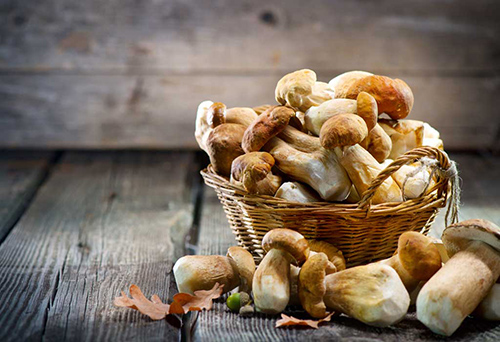
Why it’s a mild trigger:
- Mushrooms contain moderate purine levels, but they’re far less risky than meat or seafood.
- According to the Academy of Nutrition and Dietetics, moderate mushroom intake can fit safely into a gout-friendly diet.
How to enjoy them:
- Keep portions moderate
- Use as a flavor enhancer in veggie dishes or soups
11. Asparagus
Why it’s mentioned:
- Asparagus is moderately purine-rich but also acts as a natural diuretic, helping your body flush uric acid.
- The Mayo Clinic confirms that vegetables like asparagus are fine in moderation.
What to do:
- Keep it in your diet, but limit large servings during active gout flare-ups
What You Can Eat on a Gout-Friendly Diet
| Food Group | Gout-Friendly Choices | Why It Helps |
|---|---|---|
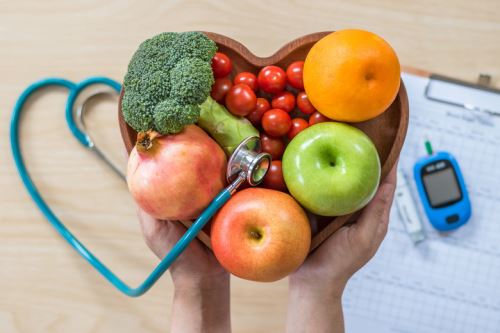
| Fruits & Veggies | Berries, citrus fruits, kale, zucchini | Packed with antioxidants that reduce inflammation |
| Whole Grains | Brown rice, quinoa, oats | Support gut and heart health |
| Dairy | Low-fat milk, yogurt | May help lower uric acid levels |
| Proteins | Eggs, tofu, lean poultry | Provide protein without purine overload |
| Drinks | Water, coffee (moderate), herbal teas | Support uric acid elimination |
The Arthritis Foundation emphasizes staying hydrated — at least 2 liters of water daily — to help the kidneys flush uric acid more effectively.
Lifestyle Habits That Support Healthy Uric Acid Levels
- Stay hydrated: Drink water regularly throughout the day.
- Watch alcohol and sugar: These two are the biggest modifiable risk factors.
- Move your body: Regular exercise supports kidney and heart health.
- Sleep well & manage stress: Both affect inflammation and metabolism.
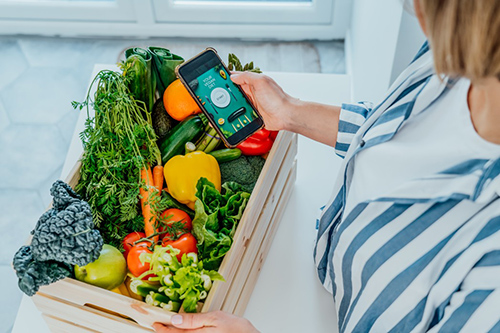
- Track your triggers: Use a wellness app to note when flare-ups occur.
Key Takeaways
- Top triggers: Red meat, shellfish, alcohol, sugary drinks.
- Not all purines are equal: Plant-based purines are less harmful.
- Hydration + moderation beat strict restriction.
- A 2024 European Journal of Medical Research study found that just two weeks of a low-purine diet reduced uric acid by about 11%.
- The goal isn’t elimination — it’s smarter balance.
Disclaimer
This website and its content are for informational and educational purposes only. The information provided is not intended to be a substitute for professional medical advice, diagnosis, or treatment. Always consult with a qualified healthcare professional before using any natural or herbal remedies, especially if you have any underlying medical conditions, are pregnant, or are breastfeeding.