The Best Adaptogenic Herbs for Social Anxiety
Contents
- 1 What Are Adaptogens?
- 2 How to Read the Science (So You Don’t Get Misled)
- 3 The Shortlist: Adaptogenic Herbs With the Most Relevant Evidence
- 4 Ashwagandha (Withania somnifera)
- 5 Rhodiola (Rhodiola rosea)
- 6 Holy Basil / Tulsi (Ocimum tenuiflorum)
- 7 Bacopa (Bacopa monnieri)
- 8 Schisandra (Schisandra chinensis)
- 9 “Adaptogenic” Mushrooms (Bonus Section): Reishi & Lion’s Mane
- 10 Choosing a Product: Practical Tips for Young Adults
- 11 Safety First: Interactions and Red Flags
- 12 Putting Adaptogenic Herbs to Work—Realistically
- 13 Herb-by-Herb Snapshot for Social Situations
- 14 FAQs
- 15 A Gentle, Structured Self-Experiment (With Professional Oversight)
- 16 The Takeaway
- 17 Get Real Support
- 18 References
Social anxiety can make everyday moments—introducing yourself in class, hopping on a Zoom meeting, or going to a friend’s party—feel like a stress test. Many young adults are curious about adaptogenic herbs for added support alongside therapy, medication (when prescribed), and lifestyle tools. Below is a deep, evidence-checked guide to what the research shows, where it falls short, and how to stay safe.
Important note: Social anxiety disorder is a clinical condition. Herbal strategies may complement—not replace—evidence-based care like cognitive behavioral therapy (CBT), exposure therapy, and medications when appropriate. If symptoms disrupt school, work, or relationships, seek qualified help.
What Are Adaptogens?
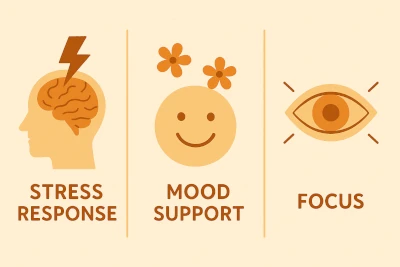
“Adaptogens” are botanicals that are traditionally said to help the body cope with stress and maintain balance. Modern summaries describe them as herbs used to support stress resilience and overall vitality, though high-quality proof is uneven and often indirect for specific diagnoses like social anxiety.
Researchers have studied some adaptogens for generalized stress and anxiety symptoms using validated scales; others rest mostly on historical or mechanistic data. That means results for “anxiety” don’t always equal results for social anxiety, which has its own diagnostic criteria. Keep expectations realistic.
How to Read the Science (So You Don’t Get Misled)
Human randomized controlled trials (RCTs) carry more weight than animal, cell, or open-label studies.
Systematic reviews/meta-analyses summarize multiple trials and help reveal overall effects and limitations.
Quality and safety vary by brand. U.S. supplements aren’t pre-approved for efficacy, and safety depends on the specific product and your health status. Consult a clinician—especially if you take medications, are pregnant/trying, or have chronic conditions.
The Shortlist: Adaptogenic Herbs With the Most Relevant Evidence
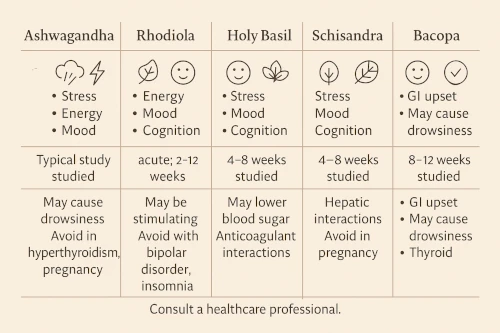
Below are herbs with human data for stress/anxiety. Where possible, I focus on trials or authoritative monographs and call out gaps. Doses listed reflect study ranges—not personal recommendations.
Ashwagandha (Withania somnifera)
What we know
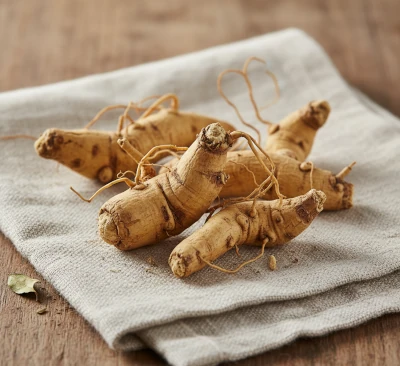
Multiple clinical trials and recent reviews suggest standardized ashwagandha extracts can reduce perceived stress and anxiety in adults over 6–8 weeks. An NIH Office of Dietary Supplements (ODS) fact sheet (updated 2025) summarizes this body of evidence, and a 2022 meta-analysis reported beneficial effects for both stress and anxiety outcomes.
Typical study dosing
Often 240–1,250 mg/day of root extract (standardized) for 6–8 weeks, depending on the product and trial design. Products and strengths vary.
Safety notes
Potential interactions include medicines for diabetes, blood pressure, thyroid, immunosuppression, anti-seizure drugs, and sedatives; avoid before surgery. Many authorities advise caution or avoidance during pregnancy and lactation due to insufficient safety data. Ashwagandha may influence thyroid and sex hormones. Discuss with a clinician and pharmacist.
| Preview | Product | Rating | |
|---|---|---|---|

|
Gaia Herbs Ashwagandha Root – Stress Relief & Sleep Support Supplement – Supports Balanced Energy… | Check Price |
Evidence supports ashwagandha for general stress/anxiety; no robust trials specifically target social anxiety disorder, so consider it an adjunct—not a sole therapy—and monitor effects with your care team.
Rhodiola (Rhodiola rosea)
What we know
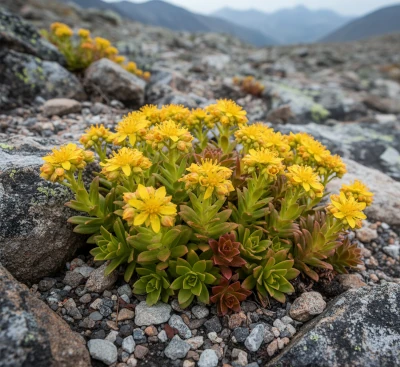
Reviews and trials suggest rhodiola can reduce stress and mild anxiety symptoms and improve fatigue in the short term (often 2–12 weeks). A 2022 overview highlighted improvements in generalized anxiety measures in some studies. However, trial quality is mixed, and more rigorous social-anxiety-specific research is needed.
Typical study dosing
Standardized extracts (e.g., SHR-5) around 200–400 mg/day are common in research; durations are typically ≤12 weeks.
| Preview | Product | Rating | |
|---|---|---|---|

|
Bold Rhodiola Plus- Siberian Rhodiola Rosea Extract- 3% Rosavins, 1% Salidroside- Adaptogen… | Check Price |
Safety notes
The U.S. National Center for Complementary and Integrative Health (NCCIH) notes rhodiola is possibly safe up to 12 weeks; side effects can include dizziness, headache, insomnia, and mouth dryness or excess saliva. Rare drug interactions (e.g., with losartan) have been reported. Avoid during pregnancy/lactation due to limited data.
Rhodiola may help with stress-linked anxiety and energy, which can indirectly support social functioning, but it hasn’t been proven for social anxiety disorder specifically.
Holy Basil / Tulsi (Ocimum tenuiflorum)
What we know
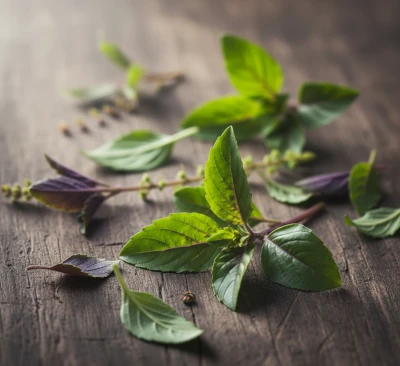
Tulsi has a long history in Ayurveda; emerging clinical data suggest potential benefits for stress and mood. A randomized, double-blind, placebo-controlled trial of a tulsi extract reported improvements in stress and related mood measures, and a broader human-data review supports potential anxiolytic effects while calling for more rigorous trials.
Typical study dosing
Standardized extracts vary by brand and study; trials often use several hundred milligrams daily for 4–8 weeks. Product standardization matters.
| Preview | Product | Rating | |
|---|---|---|---|
|
ORGANIC INDIA Tulsi Herbal Supplement – Holy Basil, Immune Support, Adaptogen, Supports Healthy… | Check Price |
Safety notes
Although generally well tolerated in studies, comprehensive drug-interaction and pregnancy data are limited. Use medical guidance if you’re on medications, pregnant, or nursing.
Preliminary evidence for stress/anxiety is promising, but targeted trials in social anxiety are lacking. Use as a complement, not a replacement, for established treatments.
Bacopa (Bacopa monnieri)
What we know

Bacopa is traditionally used to support cognition and calm. Several trials and reviews report benefits for memory and sometimes anxiety reduction in adults, though not all findings are consistent and research designs vary. StatPearls and clinical studies note potential anxiolytic properties alongside cognitive effects.
Typical study dosing
Standardized extracts around 300 mg/day (often 55% bacosides) over 8–12+ weeks are common in cognition research; anxiety findings are mixed and may require longer durations.
| Preview | Product | Rating | |
|---|---|---|---|

|
Himalaya Bacopa Monnieri Nootropic Herbal Supplement, Mental Alertness, Supports Calm, Memory,… | Check Price |
Safety notes
Generally well tolerated; gastrointestinal upset is the most common side effect. LiverTox notes rare reports under investigation; as with any supplement, discuss medications and conditions with a clinician.
Bacopa may reduce general anxiety for some and support cognitive performance (attention, processing), which can help when social stress flares. It’s not a stand-alone therapy for social anxiety disorder.
Schisandra (Schisandra chinensis)
What we know
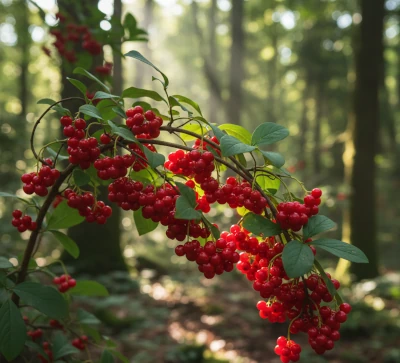
Schisandra is labeled an adaptogen in Eastern traditions. Modern research includes mechanistic and early human data around stress resilience, but high-quality clinical trials in anxiety are limited. A 2019 review calls its potential “high” while emphasizing that most evidence remains preclinical or preliminary.
Typical study dosing
Preparations vary widely (extracts, powders); standardized dosing frameworks for anxiety are not established.
| Preview | Product | Rating | |
|---|---|---|---|

|
Supreme Nutrition Schisandra Supreme, 90 Pure Schisandra Fruit Vegetarian Capsules 90 Count (Pack of… | Check Price |
Safety notes
Generally well tolerated in limited studies; robust interaction data are sparse. As always, review with your clinician if you take prescription meds.
Interesting but under-studied in humans; consider only as a secondary option and monitor outcomes.
“Adaptogenic” Mushrooms (Bonus Section): Reishi & Lion’s Mane
These are often marketed alongside adaptogens. Evidence is emerging but not definitive for anxiety-related outcomes.
- Reishi (Ganoderma lucidum): Small studies and reviews suggest potential benefits on sleep quality and perceived stress; mixed and low-quality evidence means we can’t claim a direct anxiolytic effect yet. A 2025 virtual RCT combining reishi with ashwagandha improved perceived stress; single-ingredient effects remain unclear.
- Lion’s Mane (Hericium erinaceus): A 2010 placebo-controlled study in women, a 2019 trial in overweight adults, and recent acute/chronic experiments suggest possible improvements in mood, sleep, or subjective stress—but samples are small and results inconsistent. Larger, rigorous trials are needed.
Bottom line: These may complement stress management for some people, but they’re not established treatments for social anxiety.
Choosing a Product: Practical Tips for Young Adults
- Pick standardized extracts from reputable brands that share testing data (identity, potency, contaminants). This matters because many studies use specific standardized extracts.
- Start low, go slow, and track. Use symptom scales (e.g., a simple 0–10 social-anxiety discomfort rating before/after social events) for 4–8 weeks to see if an herb helps—ideally in consultation with a clinician.
- Don’t mix with alcohol or sedatives without guidance. Some herbs have sedative properties; stacking them can be risky.
- Avoid during pregnancy/breastfeeding unless your clinician approves. Safety data are limited for many herbs in these groups.
Safety First: Interactions and Red Flags
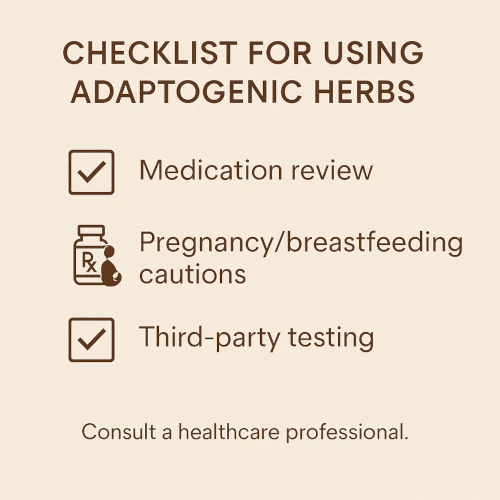
- Medication interactions are real. Ashwagandha may interact with drugs for blood sugar, blood pressure, thyroid, seizure control, sedation, and immunosuppression. Always cross-check with your clinician or pharmacist.
- Quality varies. U.S. supplements aren’t pre-approved for efficacy; adverse events can occur with mislabeled or contaminated products. Choose third-party–tested brands.
- Kava is not an adaptogen and carries liver-injury risk. Despite anxiety benefits reported in some trials, kava has been linked to rare but severe liver damage, prompting FDA advisories. If you’re exploring calming herbs, review this risk with a clinician.
- General precautions: Stop an herb and seek care if you notice jaundice, severe fatigue, rapid heartbeat, mood changes, rash, or other concerning symptoms. This is the same advice public health agencies give for complementary products.
Putting Adaptogenic Herbs to Work—Realistically
Think of adaptogenic herbs as one instrument in a larger toolkit that includes therapy, skills practice, sleep, exercise, and smart caffeine habits.
A sensible, evidence-aware starting plan (to discuss with your clinician):
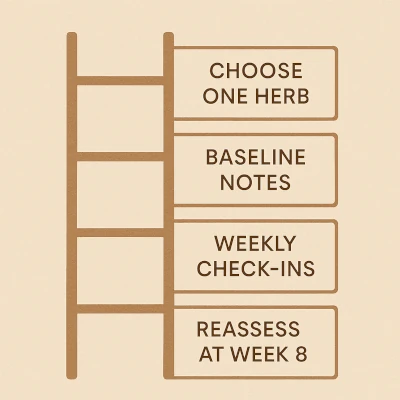
- Pick one herb with the best evidence and safety fit for you (e.g., ashwagandha or rhodiola). Track symptoms weekly for 6–8 weeks.
- Build a “social ladder.” Combine the herb with gradual exposure steps—from saying “hi” to a barista to short group hangs—so your brain relearns safety in social spaces. Evidence-based exposure is a cornerstone of care.
- Mind your timing. For some, taking rhodiola in the morning avoids insomnia; ashwagandha is often taken once or twice daily per product directions. Adjust with professional guidance.
- Reassess. If there’s no meaningful change by 8 weeks—or if side effects pop up—re-evaluate the plan with a professional.
Herb-by-Herb Snapshot for Social Situations
- Ashwagandha: Best overall evidence for reducing stress/anxiety scores; mind interactions and hormone/thyroid cautions. Consider as a first trial.
- Rhodiola: Good for stress-fatigue and mild anxiety; watch for stimulating effects and sleep issues; short-term use is typical.
- Holy Basil (Tulsi): Early RCTs and reviews show stress-relief potential; quality and standardization vary.
- Bacopa: Cognitive support with possible calming effects over longer periods; inconsistent anxiety data.
- Schisandra: Mechanistic promise, limited high-quality human anxiety trials; place in the “experimental/secondary” bucket.
- Reishi & Lion’s Mane: Popular but still preliminary for anxiety; consider only as adjuncts while you prioritize therapies with stronger evidence.
FAQs
Do I need an “adaptogen stack”?
No strong evidence supports multi-herb “stacks” over single-herb trials for anxiety. Combining multiple products can complicate safety and make it harder to tell what helps. Start simple.
How long until I feel anything?
Most anxiety/stress trials run 6–8 weeks. Some people notice earlier changes, but plan to reassess around the two-month mark with symptom tracking.
Can I use these with therapy or SSRIs?
Often, yes—but check interactions first. Ashwagandha and others can interact with medications or affect thyroid/immune function. Coordination with your prescriber is essential.
Are “natural” products automatically safer?
No. Safety depends on the specific herb, dose, health status, and product quality. Reputable public health resources urge individualized safety checks.
A Gentle, Structured Self-Experiment (With Professional Oversight)
- Choose one: ashwagandha or rhodiola (based on your health profile).
- Document baseline: quick weekly notes on social situations you avoid, physiological symptoms (heart racing, blushing), and a 0–10 discomfort score.
- Layer exposure practice: brief, repeatable social tasks; step up difficulty slowly.
- Reassess at 8 weeks: keep it, switch herbs, or discontinue with guidance.
The Takeaway
Adaptogenic herbs won’t cure social anxiety, but some—especially ashwagandha and rhodiola—show promising evidence for reducing stress and general anxiety symptoms that may indirectly ease social situations. Tulsi and bacopa have supportive, though less consistent, data. Schisandra and trendy mushrooms like reishi and lion’s mane are interesting but remain early-stage for anxiety outcomes. Safety, product quality, and a comprehensive care plan matter more than hype.
Get Real Support
If social anxiety is limiting your life, reach out today—talk with a mental-health professional about therapy options (like CBT and exposure), discuss whether an adaptogenic herb trial makes sense for you, and set up a plan that includes safety checks and progress tracking. Short, brave steps add up. You’re not alone, and help works.
HEALTH DISCLAIMER: The information on this website is for educational uses only and is not a substitute for professional medical advice. Always consult an authorized healthcare provider for any health concerns before using any herbal or natural remedy. We do not establish, treat, cure, or prevent any disease. Reliance on any material from this website is solely at your own risk. We are not responsible for any adverse effects resulting from the use of information or products mentioned on this website.
References
- NIH ODS: Ashwagandha (Health-Professional Fact Sheet) — overview of trials, doses, and safety considerations. Office of Dietary Supplements
- Akhgarjand et al., 2022 (Meta-analysis, RCTs) — beneficial effects on stress and anxiety; calls for more high-quality trials. PubMed
- NCCIH: Safety of complementary products — general safety guidance for herbal/complementary therapies. NCCIH
- Stojcheva et al., 2022 (Review) — Rhodiola and GAD-related symptoms — summarizes reductions in anxiety measures in several trials. pmc.ncbi.nlm.nih.gov
- Hung et al., 2011 (Systematic review) — rhodiola trials across mental/physical performance and mood outcomes. ScienceDirect
- NCCIH: Rhodiola — safety notes, side effects, interactions, pregnancy/lactation cautions. NCCIH
- Lopresti et al., 2022 (RCT) — Holy basil extract — improvements in stress/mood vs placebo. pmc.ncbi.nlm.nih.gov
- Jamshidi & Cohen, 2017 (Human evidence review) — Tulsi — clinical efficacy/safety overview; need for rigorous trials. pmc.ncbi.nlm.nih.gov
- Calabrese et al., 2008 (Double-blind RCTs) — Bacopa — cognition benefits; some anxiety findings. pmc.ncbi.nlm.nih.gov
- StatPearls: Bacopa monnieri — traditional indications and summary of clinical findings, including anxiety reduction in some studies. ncbi.nlm.nih.gov
- LiverTox: Bacopa monnieri — safety profile under ongoing evaluation. ncbi.nlm.nih.gov
- Nowak et al., 2019 (Review) — Schisandra — mechanistic promise; limited high-quality clinical data for anxiety. pmc.ncbi.nlm.nih.gov
- Pazzi et al., 2020 (Review) — Reishi and mood/sleep — preliminary evidence and research gaps. pmc.ncbi.nlm.nih.gov
- Gundermann et al., 2025 (Virtual RCT) — Reishi + Ashwagandha — perceived-stress improvements; combination complicates attribution. cdn.nutrition.org
- Docherty et al., 2023; Vigna et al., 2019; Surendran et al., 2025 — Lion’s mane human studies — mixed results; small samples; more research needed. pmc.ncbi.nlm.nih.gov+2onlinelibrary.wiley.com+2
- NCCIH: Kava — liver-injury warnings; FDA advisories; not an adaptogen. NCCIH
- ODS: Kava — FDA advisory and liver-injury reports summarized. Office of Dietary Supplements
- MMWR (CDC): Kava-related liver failure reports — case summaries and public-health response.
Last update on 2025-12-20 / Affiliate links / Images from Amazon Product Advertising API