
The Best Meditation Apps For Calm, Focus, And Better Sleep In 2025
Contents
- 1 1. Headspace
- 2 2. Calm
- 3 3. Insight Timer
- 4 4. Waking Up
- 5 5. Balance
- 6 6. Healthy Minds Program
- 7 7. Happier
- 8 8. Declutter The Mind
- 9 Community Picks And User Favorites
- 10 Helpful Guides To Compare Apps In One Place
- 11 Mashable’s Take On Finding The Right Meditation App
- 12 How To Think About “Best” When It Comes To Meditation Apps
- 13 Many Great Meditation Apps, One Right Fit For You
Meditation apps keep practice simple. You open your phone, put in your headphones, and follow a clear voice that guides your mind to slow down. The right app can make meditation feel less abstract, more like a daily habit you can stick with.
This list pulls together the best meditation apps in 2025, based on expert reviews, user feedback, and long-term popularity. Each app fits different needs, like better sleep, stress relief, deeper practice, or a strong beginner path. Along the way, you will also see a few trusted resources that compare apps in detail, such as the long form review from Wirecutter at The New York Times, which breaks down top choices in depth in its guide to the best meditation apps of 2025.
Use this list to find the app that matches your goals, your schedule, and your style of learning meditation.
1. Headspace
Best For Beginners Who Want Structure
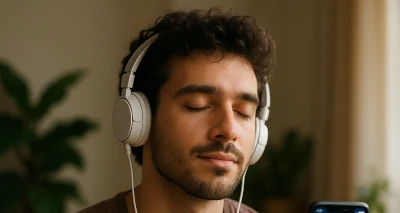
Headspace stands out as a friendly entry point into meditation. It was co-founded by Andy Puddicombe, a former Buddhist monk, and it turns meditation into short, guided sessions that feel simple and doable, even on a busy day.
The app uses colorful animations, short explanations, and a clear path through courses. New users often start with the “Basics” program, a series of simple sessions that teach how to sit, breathe, and notice thoughts without getting lost in them. The tone stays light and relaxed, which helps people who feel nervous or unsure about meditation.
Headspace has content for stress, focus, anxiety, and sleep, plus breathing exercises and soundscapes. Many people also like the “focus music” and “move” sessions, which blend light movement and mindfulness. Parents often turn to the kids section for short, age based sessions that help children settle down.
The app is available on both iOS and Android, and the main features sit behind a subscription. You can see full details, screenshots, and user reviews on the App Store listing for Headspace: Meditation & Health. Pricing often follows a yearly plan that unlocks the entire library.
2. Calm
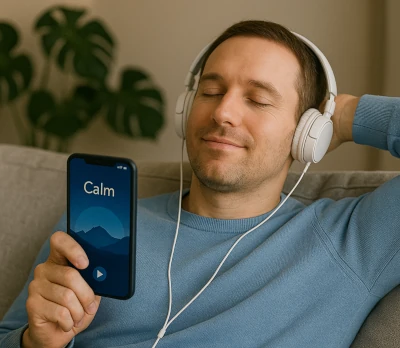
Best For Sleep, Soothing Voices, And Soft Background Sounds
Calm built its reputation on sleep. Many users open Calm at night, pick a “Sleep Story,” and let a gentle voice read them into rest. The app includes stories from well known narrators, along with nature sounds and slow music tracks designed to quiet a restless mind.
Beyond sleep, Calm offers guided meditations for stress, anxiety, self compassion, and focus. The interface feels clean and minimal, with a focus on sound and imagery rather than lots of text. Daily Calm sessions give a short, fresh meditation each day, so users do not have to decide what to do next.
The app also adds breathing exercises, stretching videos, and mood check ins. Many people use Calm during short breaks in the day to reset between tasks. The library is large and sorted into topics like “work,” “self care,” “relationships,” and “emotions,” so it is easy to match a session to a current need.
Calm usually follows a subscription model with a limited free tier. Reviews often highlight the quality of production and the strength of its sleep content. For a broader comparison of Calm with other top apps, the guide from Declutter The Mind on best meditation apps 2025 gives a clear rundown of how Calm stacks up next to Headspace, Insight Timer, and others.
3. Insight Timer
Best Free Meditation App With A Massive Library
Insight Timer is known for its huge library of free meditations. Users get access to thousands of guided sessions without ads, plus music tracks, talks from teachers, and a customizable timer for silent practice. For many people, the free version alone covers everything they want.
The app groups content by length, topic, and style. You can find sessions for sleep, grief, anxiety, creativity, compassion, and more. There is also a large range of teaching styles, from traditional mindfulness to loving kindness, body scans, and short “micro meditations” that take only a few minutes.
Insight Timer includes community features, such as live events and group courses. Some sessions run at specific times, so people meditate together from different parts of the world. For those who want more structure, there are optional paid courses and subscriptions that unlock extra features and offline access.
The official website for Insight Timer explains the core features and highlights its claim as one of the most downloaded free meditation apps. It also gives a sense of the number of teachers and meditations available at any given time.
4. Waking Up
Best For Deeper, More Philosophical Practice
Waking Up, created by Sam Harris, approaches meditation as both a practice and a training in how the mind works. The app does not simply drop users into a giant library. Instead, it offers a structured course where each session builds on the last.
The core program introduces key ideas about awareness, attention, and the sense of self. Sessions explore how thoughts and feelings appear and pass away, and how attention can rest in open awareness instead of clinging to each mental event. Many users who want more than simple stress relief turn to Waking Up for this depth.
Beyond the main course, Waking Up includes shorter “Daily Meditation” sessions, theory lessons, and talks from guest teachers and scientists. Content often blends mindfulness practice with insights from neuroscience and philosophy, so users get both practical tools and a bigger picture of why the practice matters.
The app runs on a subscription model, but it also offers financial assistance for people who cannot afford the standard price. That policy has helped the app reach a wider audience and build a strong reputation among those who care about both depth and accessibility.
5. Balance
Best For Personalized, Adaptive Meditation Plans
Balance acts like a personal meditation coach inside your phone. The app asks a series of questions about your experience, goals, and current state, then uses that information to shape your daily sessions.
Each time you finish a meditation, Balance asks for quick feedback. Over time, it adjusts the style, length, and focus of your sessions based on how you respond. This adaptive approach keeps practice from feeling stale, and it suits people who like guided structure but do not want to sift through long menus of options.
Balance includes programs for stress, sleep, focus, and emotional health, along with “Foundations” tracks for beginners who want to learn the basics step by step. The guidance tends to be short, clear, and practical, with simple instructions on where to place attention and how to respond when the mind wanders.
The app often runs promotions that offer an extended free trial for new users. Many reviews from 2025 highlight how the adaptive system feels more personal than fixed playlists. It is a strong fit for people who like data driven progress and steady guidance, rather than browsing a huge library on their own.
6. Healthy Minds Program
Best Free App Backed By Research
Healthy Minds Program grew out of research on well being and the brain. Developed with input from neuroscientists and psychologists, the app blends guided meditations with short lessons on how attention, awareness, connection, and purpose affect mental health.
The app is completely free, which sets it apart from many other major players. Sessions cover both formal sitting practice and informal exercises that fit into daily life. Users can choose between audio learning and podcast style explanations, along with guided practices of different lengths.
Healthy Minds often structures content around four pillars: awareness, connection, insight, and purpose. This helps people see meditation as more than just relaxation, since it touches how they relate to themselves and others. The tone stays friendly and science based, which appeals to people who like clear explanations.
Because the app does not charge for its core content, it often appears in lists of top free meditation apps for beginners and advanced users alike. It works well for people who want solid teaching, but do not want to sign up for a subscription.
7. Happier
Best For Skeptics And Practical Thinkers
Happier started as a book and podcast created by Dan Harris, a news anchor who turned to meditation after a panic attack on live TV. The app carries the same practical, down to earth tone, and it is often recommended to people who feel skeptical about meditation.
The app focuses on real life benefits like stress reduction, emotional balance, and better focus, rather than spiritual language. Lessons mix video teachings from experienced meditation teachers with guided audio sessions, so users hear both explanations and practice.
Courses cover topics such as anxiety, relationships, self criticism, and resilience at work. The teachers often share personal stories and concrete tips for how to bring mindfulness into conversations, tough moments, and daily routines. Many people who resist abstract or mystical language feel comfortable with this straightforward style.
10% Happier uses a subscription model, with a free trial that lets people sample courses before paying. It suits users who want clear, no nonsense guidance and value a mix of science, personal story, and meditation technique.
8. Declutter The Mind
Best For Simple Daily Practice And Guided Courses
Declutter The Mind offers a clean, no frills path into meditation with a focus on daily practice. Sessions use plain language and simple instructions, which helps reduce confusion for beginners. The app includes tracks for anxiety, focus, sleep, and building a steady habit.
Beyond single sessions, Declutter The Mind also provides structured courses that walk through meditation basics day by day. Users can choose the length of their meditations, usually between short five minute tracks and longer sits, depending on their schedule and comfort level.
The platform behind the app also runs a blog with in depth breakdowns of many meditation tools. For a broad view of how this app compares with big names like Calm, Headspace, and Insight Timer, the article on best meditation apps 2025 for iOS and Android gives a detailed overview.
The app runs on a freemium model, where a portion of the library is free and a paid subscription unlocks more content, offline downloads, and extended courses. Its focus on clear instruction and everyday language makes it appealing to people who want meditation that feels straightforward, simple, and repeatable.
Community Picks And User Favorites
Beyond expert reviews and app store ratings, many people look at community opinions to see which apps feel good in actual daily use. On Reddit, the r/Meditation community often shares honest feedback about strengths and weaknesses of each app, along with tips for getting more out of them.
In one recent thread that discusses best meditation apps and why, users highlight Insight Timer for its strong free tier, while others praise Headspace and Calm for structure and design. Some commenters even point out that a simple timer can be enough once someone learns the basics.
These discussions show how different preferences can be. Some people want a gentle voice and music, others prefer silence and a bell. Some choose deep courses, others just want a quick session before bed. Community threads give a snapshot of what real practice looks like, and how people stick with it over months and years.
If you like to hear real user experiences, browsing these discussions can help you match an app to your own personality, even after reading formal reviews.
Helpful Guides To Compare Apps In One Place
When choosing between several meditation apps, it often helps to see them compared side by side. Expert roundups test many apps across iOS and Android, then report on ease of use, quality of guidance, value, and special features like sleep stories or focus tools.
Wirecutter, which is part of The New York Times, has a detailed guide on the best meditation apps of 2025. That piece highlights Insight Timer as a standout for free content, while also rating Calm, Headspace, and others on factors like user experience and breadth of content.
Another long form comparison appears in The Guardian article on the best meditation apps to quit doomscrolling and find focus. In that guide, the author tests dozens of apps and shares which ones felt most helpful in practice, especially for people trying to step away from endless social feeds.
These kinds of reviews help users see where each app shines. Some lead with sleep tools, others with deep mindful awareness, and others with clever design and short, daily practices. When you combine those expert views with your own needs, it becomes much easier to choose where to start.
Mashable’s Take On Finding The Right Meditation App
Another useful perspective comes from Mashable, which ran a feature on finding the right meditation app through personal testing. The article, titled “One woman’s quest to find the right meditation app,” walks through a series of popular options like Calm, Headspace, and 10% Happier.
The writer talks about how each app felt to use day after day, which shows that small design choices can change how likely someone is to stick with meditation. The piece covers strengths and drawbacks of each app, rather than only listing features, so readers get a lived in view of the experience.
You can read that story in Mashable’s guide on best meditation apps and mindfulness tools. It pairs well with more technical reviews, since it focuses on what it is like to open an app when feeling stressed, tired, or distracted, and whether the guidance truly helps in that moment.
This kind of narrative review reminds readers that the best app on paper is not always the one that feels right in daily life. Personal fit matters, from the sound of the teacher’s voice to the length of each session.
How To Think About “Best” When It Comes To Meditation Apps
Lists of “best meditation apps” can make it seem like there is one final winner, but meditation is personal. What feels calming and clear to one person can feel boring or confusing to another. Some need a strong, structured course, while others relax more with open choice and quiet music.
Expert tests often look at several factors, such as:
- Quality and clarity of guidance
- Ease of navigation and clean design
- Range of session lengths and topics
- Value of the free tier compared with the paid plan
- Extra features like sleep stories, music, or courses
Guides like The Guardian’s roundup of top meditation apps in 2025 or Declutter The Mind’s comparison article give clear breakdowns using those kinds of criteria. When paired with community feedback from places like Reddit, they provide a balanced picture of what “best” looks like for different kinds of users.
In practice, people often try more than one app. Over time, they notice which one keeps practice feeling natural and sustainable, morning after morning or night after night.
Many Great Meditation Apps, One Right Fit For You
Meditation apps in 2025 cover almost every need. Headspace gives structure for beginners. Calm wraps practice in soft sounds and sleep stories. Insight Timer offers a huge free library and a strong timer for silent sits. Waking Up introduces deeper ideas about awareness and the mind. Balance personalizes practice, Healthy Minds adds research based teaching at no cost, and 10% Happier and Declutter The Mind serve people who like simple, practical guidance.
Expert reviews, such as Wirecutter’s best meditation apps of 2025, and narrative pieces, like Mashable’s feature on finding the right app, show how rich this space has become. Community discussions on Reddit add another layer, with honest reports from real daily practice.
Each of these apps can support calm, focus, and better sleep in its own way. The key is to find the one whose voice, structure, and style fit your life, so meditation becomes something you return to often, not just a once in a while experiment.
HEALTH DISCLAIMER: The information on this website is for educational uses only and is not a substitute for professional medical advice. Always consult an authorized healthcare provider for any health concerns before using any herbal or natural remedy. We do not establish, treat, cure, or prevent any disease. Reliance on any material from this website is solely at your own risk. We are not responsible for any adverse effects resulting from the use of information or products mentioned on this website.