Folate: Discover the Importance of this Acid
Folate describes folic acid and its salts (folates). Some researchers include these substances, which possess the same physiological properties, under folacin.
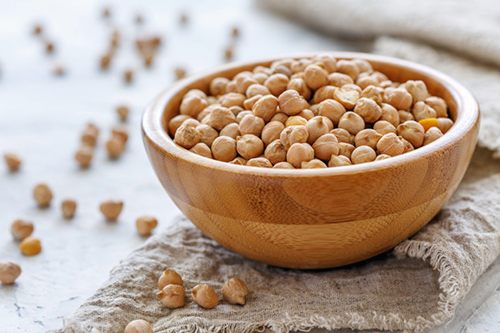
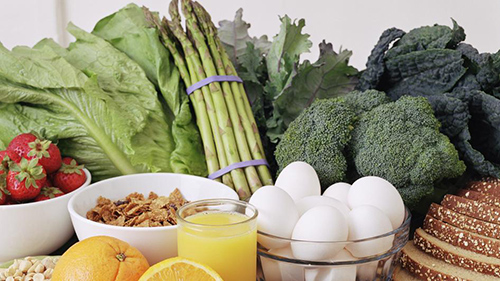
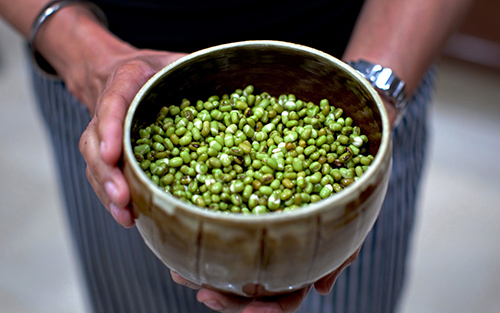
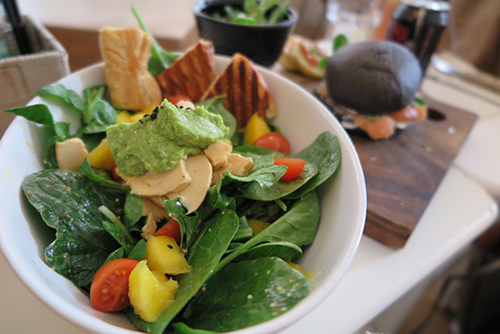
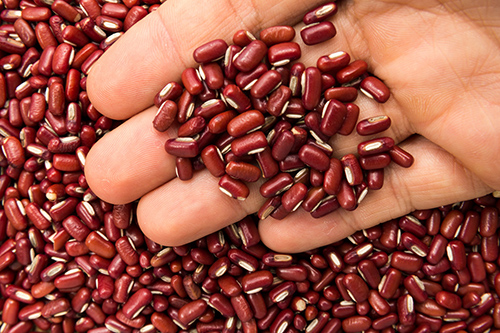
Sources: One of the top foods high in this acid is legumes, a significant source. It is followed by green leafy vegetables (spinach, lettuce) and nuts. Milk, fish, and meat are not as prominent.
Folate Health Benefits
Units of measurement: micrograms (millionths of a gram), represented by the symbol µg (1 mg = 1000 µg).
Function: This acid is essential for synthesizing DNA and RNA, which comprise life’s biochemical base. The acid is also involved in producing hemoglobin and many other physiological processes.
What happens when someone is deficient?: People deficient experience folate deficiency anemia. This condition is also called megaloblastic or macrocytic anemia (few, very large red blood cells), glossitis (tongue inflammation), mental deterioration, and congenital malformations of the fetal nervous system.
Benefits: In these cases, it is recommended that intake be double the RDA or about 400 µg:
- Growth periods: infancy and adolescence.
- When taking oral contraceptives (these may interfere with the absorption).
- Folic acid for pregnancy (to avoid fetal malformations).
- Persons at high risk of cardiac disease (to lower the heart attack risk).
- Anemia in general and macrocytic anemia in particular.
- Intestinal parasitosis.
- Regular alcohol consumption, which blocks the absorption and assimilation; intake of certain medications, such as anti-epileptics and chemotherapeutic drugs used to combat cancer, which counteracts folic acid.
Loss during the processing of foods: Folic acid is relatively unstable and is easily destroyed by heat and light.
- Cooking and canning: 50% to 95% are lost.
- Storage: Vegetables lose 50% to 70% at room temperature. When refrigerated, however, folates are little affected.
DISCLAIMER: All content on this website is presented solely for educational and informational objectives. You should not rely on the information provided as a replacement for advice, diagnosis, or treatment from a qualified medical expert. If you are pregnant, nursing, or have any preexisting medical concerns, you should talk to your doctor before using any herbal or natural medicines.
REFERENCES
- George D. Pamplona-Roger, M.D. “Encyclopedia of Foods and Their Healing Power.” George D. Pamplona-Roger, M.D. Encyclopedia of Foods and Their Healing Power. Trans. Annette Melgosa. Vol. 1. Chai Wan: Editorial Safeliz, 2005. 394. Print.
- National Institutes of Health (NIH) Office of Dietary Supplements: https://ods.od.nih.gov/factsheets/Folate-HealthProfessional/
- Centers for Disease Control and Prevention (CDC): https://www.cdc.gov/ncbddd/folicacid/index.html
- Pregnant Women: Search for “Folate recommendations for pregnant women” or “Folic acid and neural tube defects” on the CDC or NIH websites.
Last update on 2025-12-22 / Affiliate links / Images from Amazon Product Advertising API