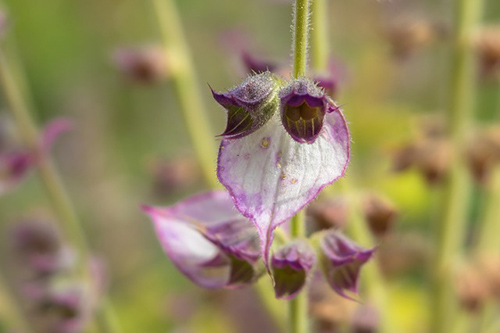
Jaborandi Plant Health Benefits
Contents
The jaborandi plant was known and used by the natives of Brazil and Paraguay before European colonizers discovered its medicinal properties. The plant’s name is precisely the one the natives gave in the Tupi-guarani language.
Jaborandi was brought to Europe in 1874, and since then, it has been the focal point of much physiological research. It is currently part of various pharmaceutical preparations.
Healing Properties and Warning
The most crucial active component of the jaborandi leaves is pilocarpine, an alkaloid with parasympathomimetic properties; that is, it reproduces the actions exerted by the parasympathetic nervous system, increases saliva and sweat production, produces miosis (closes the eye pupil), decreasing the intraocular tension; stimulates the motility of the digestive tract and the production of gastric, pancreatic, and intestinal juice; and reduces heart rate (bradycardia). Its effects are counteracted by atropine.
It is used whenever an increase in sweat production is required (influenza, fever diseases, edema, or hydropsy) and for glaucoma (an increase in intraocular pressure). It must always be used under medical supervision.
WARNING! Jaborandi contains pilocarpine, an alkaloid that acts on the autonomic nervous system. It must be used under medical supervision, always respecting the recommended doses.
Jaborandi Plant Scientific Facts
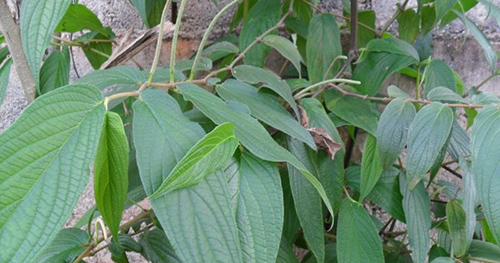
- Scientific synonyms: Pilocarpus jaborandi Holmes.
- French: Jaborandi.
- Spanish: Jaborandi.
- Environment: Native to Brazil and spread in tropical areas of South America.
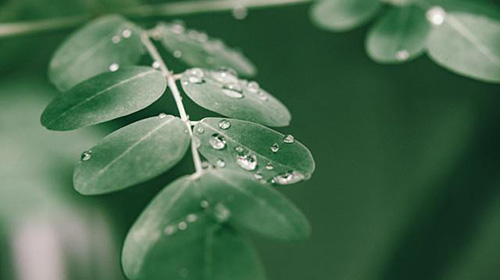
- Description: This shrub of the Rutaceae family grows up to 1.5 m high. The surface of its leaves is made of small secreting bags, which, when rubbed, give it a scent similar to that of orange.
- Parts of the plant used medicinally: The leaves.
How to use Jaborandi
- Infusion with 4-5 g of leaves per 250 ml of water. As a sudorific, drink hot cups and then cover the patient with several blankets.
- Pharmaceutical preparations in the form of an eyedropper and hypodermic injections.
DISCLAIMER: All content on this website is presented solely for educational and informational objectives. Do not rely on the information provided as a replacement for advice, diagnosis, or treatment from a qualified medical expert. If you are pregnant, nursing, or have any preexisting medical concerns, talk to your doctor before using any herbal or natural medicines.
REFERENCES
- George D. Pamplona-Roger, M.D. “Encyclopedia of Medicinal Plants.” George D. Pamplona-Roger, M.D. Encyclopedia of Medicinal Plants. Ed. Francesc X. Gelabert. vols. 2 San Fernando de Henares: Editorial Safeliz, 2000. 759. Print. [jaborandi plant]
- National Institutes of Health – https://pubchem.ncbi.nlm.nih.gov/compound/Pilocarpine
- https://www.ncbi.nlm.nih.gov/pmc/articles/PMC5289444/
- RxList – https://www.rxlist.com/supplements/jaborandi.htm
- https://www.webmd.com/vitamins/ai/ingredientmono-261/jaborandi
Last update on 2025-12-19 / Affiliate links / Images from Amazon Product Advertising API