Marjoram: The Herb with Remarkable Health Benefits
Marjoram does not grow wild in Europe. According to some researchers, the Crusaders knew of its many benefits and spread it during the Middle Ages. Due to its similarity with wild marjoram, a plant that, as its name says, grows wild in Europe, it was called native marjoram. Ancient Egyptians used marjoram as a seasoning plant and as a remedy. At present, it is a highly appreciated plant in phytotherapy.
Scientific Facts
- Scientific Name: Origanum majorana L.
- Scientific Synonyms: Majorana hortensis Moench.
- Other Names: Sweet marjoram, knotted marjoram.
- French: Marjolaine.
- Spanish: Mejorana.
- Environment: Native to the Middle East, its cultivation soon spread to all Mediterranean countries of Europe and Africa. It is also cultivated in some American countries.
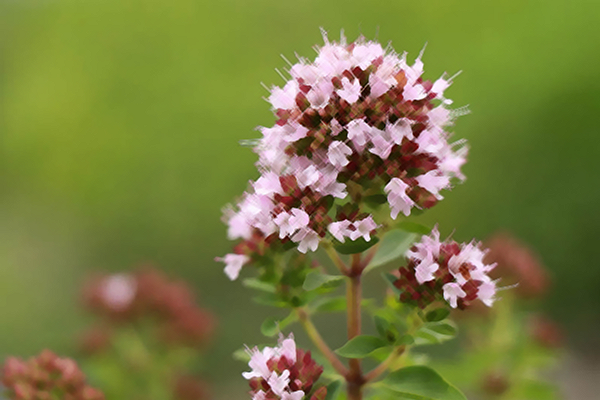
- Description: This vigorous plant of the Labiatae family grows from 15 to 40 cm high. Its white or pink flowers grow in clusters on the tip of the stems. Its aroma is between peppermint and thyme.
- Parts of the plant used medicinally: The flower clusters.
Marjoram Benefits
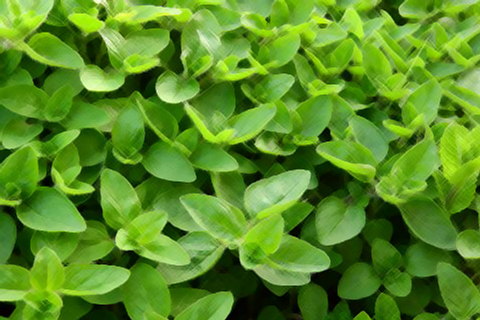
The active principles of marjoram are concentrated in essence and rich in terpenic substances such as terpineol. This essence has the following properties.
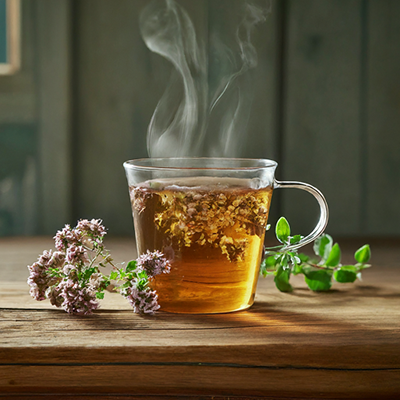
- Antispasmodic and digestive – The plant is beneficial for flatulence (carminative properties), nervous spasms of the stomach, and bloated stomach.
- Sedative – It is recommended to combat psychological excitation, nervousness, and insomnia. It is a good remedy against anxiety.
- Hypotensive – Marjoram decreases the tone of the sympathetic nervous system, which is responsible for arterial contraction. Moreover, the plant has diuretic properties.
- Expectorant and pectoral.
- Antirheumatic—When externally applied, the essence eases rheumatic aches and muscle contractions. It also has refreshing properties in lotions or when added to bath water.
How to use Marjoram
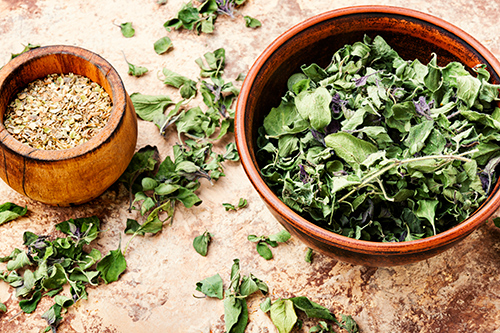
- Infusion with 40 to 50 grams of flower clusters per liter of water. Drink up to three cups daily.
- Essence – The recommended dose varies from four to six drops three times a day.
- Lotions with the essence dissolved in alcohol (10 to 20 drops in 100 cc. of alcohol).
- Baths – add some drops of essence to the bath water to achieve a notable antirheumatic effect.
DISCLAIMER: All content on this website is presented solely for educational and informational objectives. Do not rely on the information provided as a replacement for advice, diagnosis, or treatment from a qualified medical expert. If you are pregnant, nursing, or have any preexisting medical concerns, talk to your doctor before using any herbal or natural medicines.
REFERENCES
- George D. Pamplona-Roger, M.D. “Encyclopedia of Medicinal Plants.” George D. Pamplona-Roger, M.D. Encyclopedia of Medicinal Plants. Ed. Francesc X. Gelabert. Vols. 1 San Fernando de Henares: Editorial Safeliz, 2000. 369. Print.
- https://www.healthline.com/nutrition/marjoram
- https://www.medicinenet.com/what_is_marjoram_benefits_side_effects_and_uses/article.htm
Last update on 2025-12-20 / Affiliate links / Images from Amazon Product Advertising API