Triumph Over Musculoskeletal Disorders Naturally
Contents
- 1 Musculoskeletal Disorders
- 1.0.1 Herbs for Contusions
- 1.0.2 Herbs for Sprains
- 1.0.3 Herbs that Ease Rheumatic Pain
- 1.0.4 Herbs for Lumbago
- 1.0.5 Herbs for Sciatica
- 1.0.6 Herbs for Arthrosis
- 1.0.7 Herbs for Gouty Arthritis
- 1.0.8 Herbs for Osteoporosis
- 1.0.9 Herbs for Rickets
- 1.0.10 Herbs for Foot Disorders
- 1.0.11 Herbs for People Who Play Sports
- 1.1 Revulsive Herbs
- 1.2 Antirheumatic Herbs

Antirheumatic and musculoskeletal herbs act internally and externally on musculoskeletal disorders by producing a slow but effective and harmless anti-inflammatory and analgesic action. Unlike anti-inflammatory medicines, which have many side effects, the most important of which is gastritis, antirheumatic plants are well tolerated when taken orally.
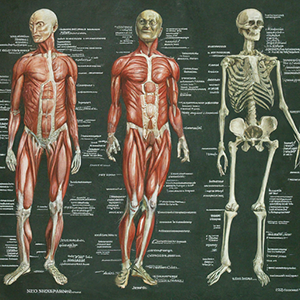
Revulsive plants also help to alleviate rheumatic aches. When applied to the skin, they produce irritation and reddening, which reduces the congestion and the inflammation of the internal tissues by attracting the blood that flows through them towards the skin.
Musculoskeletal Disorders
Contusions—Contusions or bruises are traumatic injuries that generally affect the skin and under-skin tissues caused by a violent crash with a flat surface. Bruises do not have open wounds on the skin, though in many traumas, bruises, and injuries occur together.
Besides physical measures, such as applying cold, phytotherapeutic treatment consists of local application of vulnerary plants such as those mentioned here, which reduce tissue inflammation and ease pain.
Herbs for Contusions
| Lavender | Silver fir | Hyssop |
| Lungwort | Yellow bedstraw | Black alder |
| Agave | Wild balm | Stinking weed |
| Kidney vetch | Arnica | Black briony |
| Milfoil | Birchwort | Prickly pear |
| Solomon’s seal | Sanicle | Houseleek |
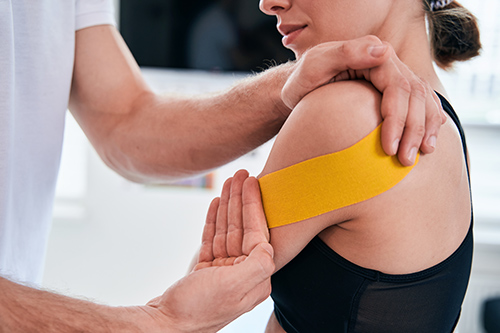
Sprains – A violent twisting or distortion of a joint, which may even break muscular fibers or ligaments. Besides immobilizing the affected joint, local applications of these herbs in the form of lotions, massages, compresses, and poultices are highly effective. These external treatments are better and more effective than an intake of analgesic or anti-inflammatory medicines, which produce undesirable side effects.
Herbs for Sprains
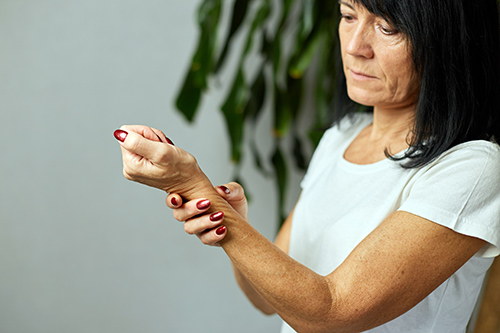
Rheumatic pain is the pain or ache afflicts any part of the musculoskeletal system (bones, muscles, ligaments, joints, tendons) with a certain degree of swelling. The musculoskeletal disorders usually causing this pain are arthrosis (degeneration of articular cartilages), arthritis, chronic articular rheumatism, and muscular afflictions such as torticollis (stiff neck).
These herbs, with antirheumatic and revulsive properties, ease pain and reduce inflammation when used internally and externally.
Herbs that Ease Rheumatic Pain
| Lavender | Valerian | Pine tree |
| Pepper | German chamomile | Peppermint |
| Marjoram | Laurel | Wild marjoram |
| Meadowsweet | Rosemary |
Lumbago – This is a rheumatic ache located in the bones and muscles of the lumbar area, that is to say, the lower back area. Sometimes it is called kidney pain. However, it is not the kidneys that are aching but the area of the body where they are located.
Besides a physical and positional treatment, these medicinal plants, both internally and externally applied, significantly help alleviate lumbar pain and inflammation.
Herbs for Lumbago
Sciatica – This is a painful inflammation of the sciatic nerve. It manifests with pain in the lower back, extending throughout the buttock and the back side of the thigh. It usually affects only one side of the body. Both internally and externally applied, these plants alleviate neuralgic pain.
Herbs for Sciatica
Arthrosis—This chronic ailment involves articular cartilage degeneration, mainly affecting the hips and knees. Phytotherapeutic treatment not only alleviates pain but also prevents articular degeneration. Though its effects are not immediately perceived, it is highly effective in the medium and long term.
Herbs for Arthrosis
Gouty arthritis is joint inflammation caused by uric acid deposits. Treatment comprises internal and external diuretic plants with uricosuric action and depurative and antirheumatic plants.
Herbs for Gouty Arthritis
| Garlic | Lemon tree | Nettle |
| Grapevine | White birch | Wild strawberry |
| Cherry tree | Meadowsweet | Devil’s claw |
| Mountain holly |
Osteoporosis – This ailment consists of a loss of the consistency and mass of the bones, making them more likely to suffer breaks and deformations. Osteoporosis is caused by hormonal and metabolic factors, which become more severe with a diet abundant in proteins or salt. Plants rich in silicon are a complement to the general treatment.
Herbs for Osteoporosis
Rickets is a child’s ailment caused by a lack of vitamin D, responsible for calcium absorption. The following herbs complement the treatment since they improve the nutritional condition and promote calcium assimilation.
Herbs for Rickets
Disorders of the Feet—The following medicinal herbs, when locally applied, can alleviate many of the common ailments of the feet. Foot hygiene and care are essential for diabetes or blood flow disorders in the lower extremities. In these cases, a simple bruise or wound on the feet can become a severe infection.
Herbs for Foot Disorders
Sports—It is clear that sports are not included here as musculoskeletal disorders; however, the consequences of forced training can become severe. The following herbs can prepare our body for the physical overload of sports training and are also practical help for athletes.
Herbs for People Who Play Sports
Revulsive Herbs
These herbs provoke local irritation and redden the skin, alleviating rheumatic aches.
Hot pepper, chili pepper, and aji are tremendous revulsive substances that can alleviate rheumatic aches like lumbago. It is applied as a poultice on the painful area.
Antirheumatic Herbs
These herbs for musculoskeletal disorders exert a preventive or healing action on rheumatic ailments. Rheumatic afflictions produce inflammation, pain, and rigidity in any area of the musculoskeletal system. Some herbs are internally applied and taken as herbal teas or extracts, while others are externally used as hot poultices applied on the affected area.
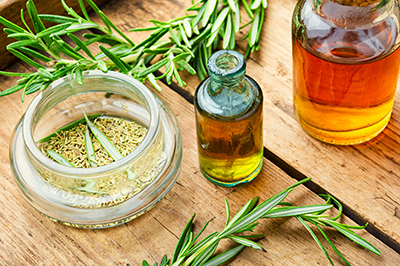
Rosemary alcohol is prepared by mashing a handful of green rosemary leaves and then putting them in a bottle with 100 ml of ethyl alcohol. After steeping for three days, strain the resulting liquid, rosemary alcohol. When this alcohol is applied in friction, it alleviates rheumatic and muscular aches.
Wild marjoram is an excellent antirheumatic plant that calms digestive spasms and intestinal flatulence. When applied externally as essence massage or in poultices, it calms muscular pain from torticollis (stiff neck) and lumbago.
Massages with the essence of medicinal herbs have proven highly effective in calming osteomuscular aches.
DISCLAIMER: All content on this website is presented solely for educational and informational objectives. Do not rely on the information provided as a replacement for advice, diagnosis, or treatment from a qualified medical expert. If you are pregnant, nursing, or have any preexisting medical concerns, talk to your doctor before using any herbal or natural medicines.
REFERENCES
- George D. Pamplona-Roger, M.D. “Encyclopedia of Medicinal Plants.” George D. Pamplona-Roger, M.D. Encyclopedia of Medicinal Plants. Ed. Francesc X. Gelabert. vols. 2 San Fernando de Henares: Editorial Safeliz, 2000. 654, 655, 656, 657, 658, 659, 670. Print. [musculoskeletal disorders]
- Arthritis Foundation: https://www.arthritis.org/
- Mayo Clinic: https://www.mayoclinic.org/
- American Botanical Council: http://abc.herbalgram.org/