40 Amazing Plants and Herbs for Stomach Issues
The stomach is highly susceptible to the actions of the many readily available herbs for stomach issues, perhaps because, when they are taken orally, they have to spend some time inside that digestive organ.
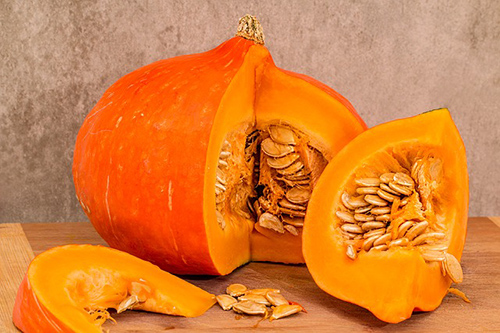
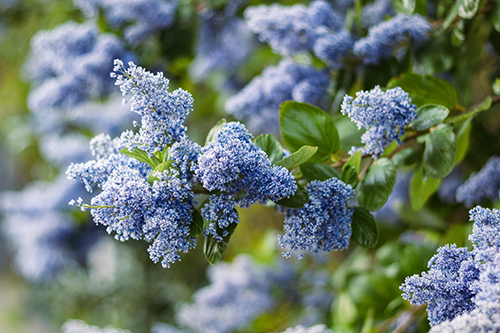
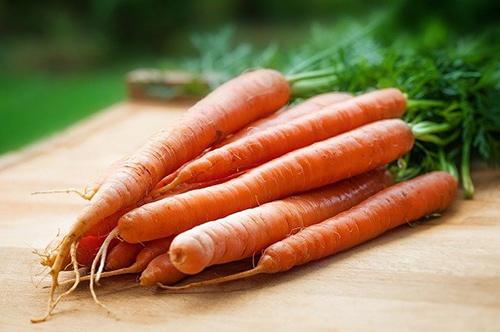
Most plants act directly on the mucous membrane covering the inner layer of the stomach. Some plants provide a protective coat of mucilage, such as the false acacia. Other plants dry and reduce the inflammation of the gastric mucous membrane since they have astringent properties, such as burnet or Lady’s mantle. Still, others balance any excess of acidities, such as carrots, cassava, or pumpkins.
Nonetheless, some plants act on the stomach through the blood; after passing into the blood when in the intestine. The stomach walls have many blood vessels through which a high amount of blood flows. Specific vegetal active components need blood to exert their action, such as angelica, licorice, or milfoil. Hence, these functional components do not exert their action when passing through the stomach but after being absorbed into the blood.
Every day the stomach manufactures up to four liters of gastric juice, consisting of water, hydrochloric acid, pepsin, mucoproteins, and an antianemic factor, known as Castle’s intrinsic factor. Many medicinal herbs for stomach issues increase the production of gastric juice without irritating or inflaming the stomach mucous membrane, thus promoting and accelerating all digestive processes.

Medicinal herbs for stomach issues also exert a notable healing action toward gastric ulcers, the most frequent ailment of the stomach. Licorice, cabbage (almost all varieties), and calendula are great herbs for gastrointestinal problems because of their ability to heal ulcers; false acacia, cassava, flax, and psyllium are essential ayurvedic herbs for digestion because they exert a protective action on the gastric mucous membrane. These herbs for stomach issues coat the inside of the stomach to prevent its walls from being in touch with the corrosive hydrochloric acid of the gastric juices.
Top Herbs for Stomach Issues
DISCLAIMER: All content on this website is presented solely for educational and informational objectives. It would be best to not rely on the information provided as a replacement for advice, diagnosis, or treatment from a qualified medical expert. If you are pregnant, nursing, or have any preexisting medical concerns, you should talk to your doctor before using any herbal or natural medicines.
REFERENCES
- George D. Pamplona-Roger, M.D. “Encyclopedia of Medicinal Plants.” George D. Pamplona-Roger, M.D. Encyclopedia of Medicinal Plants. Ed. Francesc X. Gelabert. vols. 2 San Fernando de Henares: Editorial Safeliz, 2000. 416, 417. Print.
- National Center for Complementary and Integrative Health (NCCIH). (2021). Ginger. https://www.nccih.nih.gov/health/ginger
- National Center for Complementary and Integrative Health (NCCIH). (2021). Peppermint Oil. https://www.nccih.nih.gov/health/peppermint-oil
- National Center for Complementary and Integrative Health (NCCIH). (2021). Chamomile. https://www.nccih.nih.gov/health/chamomile
- National Center for Complementary and Integrative Health (NCCIH). (2021). Licorice Root. https://www.nccih.nih.gov/health/licorice-root
Last update on 2025-12-19 / Affiliate links / Images from Amazon Product Advertising API