Find Relief with Herbal Remedies for Urinary System Support
Contents
Almost all urinary system herbal remedies act on the kidneys, causing an increase in the amount of urine. The water with which herbal teas are prepared enhances these diuretic properties of herbs. Increasing urine volume promotes the urinary system’s functions of eliminating waste substances that the kidneys perform. Hence, they help cleanse the blood and purify the entire body.
Uric acid and urea are two of the most toxic substances our body continuously produces, and they must be eliminated through urine. Many effective herbal plants promote the elimination of metabolic waste and substances.
Plants are highly effective in increasing mineral salts’ solubility, usually in urine. These salts precipitate in the kidneys, kidney stones, or calculi when not dissolved. Some plants can dissolve kidney stones (unlike gallbladder stones).
Since many plant active components are eliminated through the urine, when they have antiseptic or antibiotic properties, they successfully combat urinary system diseases and infections from the kidneys to the urethra.
Top Urinary System Plants
Some plants improve the muscle tone of the urinary system parts and functions; thus, the cases of enuresis and urine incontinence will improve.
Urinary Anti-Inflammatory Herbs
These herbs fight inflammation in urinary organs (kidney nephritis, cystitis in the urinary bladder, prostatitis in the prostate). Many of these herbs also have urinary antiseptic and diuretic properties.
| Rusty back | Mouse-ear | Arbutus |
| Bearberry | Buchu | Copaiba |
| Restharrow | Pellitory of the wall | Madder |
| Goldenrod | Pumpkin | Shrub palmetto |
Diuretic Herbs
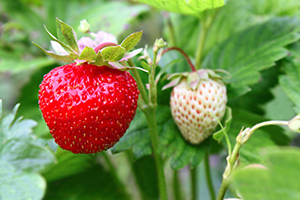
These herbs increase urine production and volume in the kidneys. Diuretic plants improve water elimination and promote the elimination of diverse waste substances in the urine. They present one or several actions depending on the importance they eliminate with the most vigorous intensity.
Actions of Diuretic Plants
Depending on the waste substances they eliminate most, diuretic plants present one of several of the following medicinal actions:
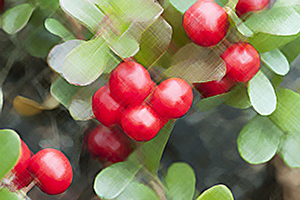
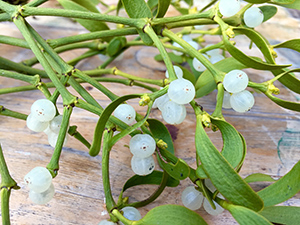
- Natriuretic or sodium diuretic – When plants especially promote the elimination of sodium salts such as NaCI (common salt or sodium chlorine). These herbs are rich in potassium. Natriuretic plants are recommended for high blood pressure, edema, heart afflictions, and weight-loss treatments.
- Chlorine – When these herbs increase the elimination of water and several chlorine salts (sodium, potassium, ammonium, etc.). Herbs, with this action, are widely used diuretics.
- Uricosuric or uric diuretic – These herbs help eliminate uric acid in urine. Many uricosuric plants are depurative for gout or arthritis (rheumatism caused by uric acid).
- Ureic diuretic—These herbs especially promote the elimination of urea, one of the protein metabolic toxic wastes with uric acid. Diuretic herbs are used mainly when there is a degree of kidney insufficiency (the inability of the kidneys to eliminate urine metabolic poisonous waste).
- Oxalic and phosphaturic – These herbs especially promote the elimination of oxalates and phosphates in the urine. These salts usually cause kidney stones and calculi.
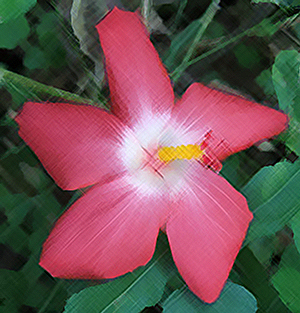
Abelmosk and other plants of the genus “Hibiscus” have beautiful flowers like this. Their seeds contain essential oil with a robust antispasmodic effect, which is beneficial to ease colic pain like those in the kidneys. They are taken infusion.
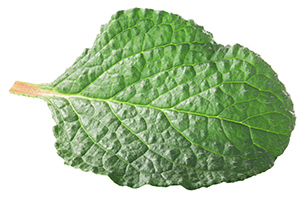
Fresh juice from borage leaves before the flowers grow is an excellent diuretic and blood depurative, eliminating many waste substances from the blood, especially concerning infectious diseases.
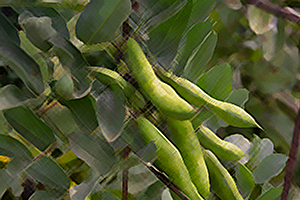
Kidney bean pods have diuretic properties, including natriuretic (they eliminate sodium) and uricosuric (they eliminate uric acid). They are used successfully for edema caused by kidney or heart insufficiency and liquid retention produced days before menstruation. They are also used for diabetes since they decrease blood sugar levels.
DISCLAIMER: All content on this website is presented solely for educational and informational objectives. Do not rely on the information provided as a replacement for advice, diagnosis, or treatment from a qualified medical expert. If you are pregnant, nursing, or have any preexisting medical concerns, talk to your doctor before using any herbal or natural medicines.
REFERENCES
- George D. Pamplona-Roger, M.D. “Encyclopedia of Medicinal Plants.” George D. Pamplona-Roger, M.D. Encyclopedia of Medicinal Plants. Ed. Francesc X. Gelabert. vols. 2 San Fernando de Henares: Editorial Safeliz, 2000. 549, 551, 555, 556, 557. Print. [urinary system]
- WebMD: https://www.webmd.com/
- Google Scholar: https://scholar.google.com/
- National Institutes of Health: https://www.nccih.nih.gov/
- Medical Databases (PubMed): https://pubmed.ncbi.nlm.nih.gov/
Last update on 2025-12-20 / Affiliate links / Images from Amazon Product Advertising API